


- Afhalen na 1 uur in een winkel met voorraad
- Gratis thuislevering in België vanaf € 30
- Ruim aanbod met 7 miljoen producten
- Afhalen na 1 uur in een winkel met voorraad
- Gratis thuislevering in België vanaf € 30
- Ruim aanbod met 7 miljoen producten





€ 60,45
+ 120 punten
Omschrijving
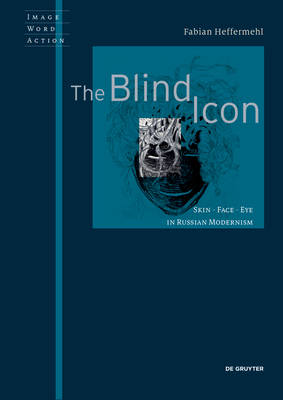
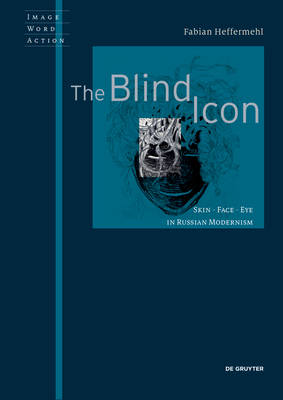
This book explores the inner facial feeling as a defining phenomenon for the poetics and theory of Russian painting. From the icon to Suprematism and the facelessness of the Gulag concentration camps, the study traces the face, departing from its inner tactile sensitivity. The face (with its blind skin and its skinless eyes) occupies a liminal space at the intersection of the optic and the tactile senses. We build identity on the imagination of our faces seen on distance by others. At the same time, the face is inseparably bound to the nervous system. It is continuously felt with the interior organs of the head (muscles, tongue, skin), which abolish distance. Thus the face emerges as a thin layer, a stratum that delineates the threshold between interiority and exteriority, between the self and its representation.
- First study of the tactility of the face in literature and painting
- Unique interdisciplinary approach to interaction between image and body in Russian modernism
- Challenges traditional notions of the portrait in art history
Specificaties
Betrokkenen
- Auteur(s):
- Uitgeverij:
Inhoud
- Aantal bladzijden:
- 176
- Taal:
- Engels
- Reeks:
- Reeksnummer:
- nr. 11
Eigenschappen
- Productcode (EAN):
- 9783689241940
- Verschijningsdatum:
- 23/07/2026
- Uitvoering:
- Paperback
- Formaat:
- Trade paperback (VS)
- Afmetingen:
- 170 mm x 240 mm
- Gewicht:
- 498 g


Alleen bij Standaard Boekhandel
+ 120 punten op je klantenkaart van Standaard Boekhandel
CADEAU

AANGERADEN


Beoordelingen
We publiceren alleen reviews die voldoen aan de voorwaarden voor reviews. Bekijk onze voorwaarden voor reviews.