


- Afhalen na 1 uur in een winkel met voorraad
- Gratis thuislevering in België vanaf € 30
- Ruim aanbod met 7 miljoen producten
- Afhalen na 1 uur in een winkel met voorraad
- Gratis thuislevering in België vanaf € 30
- Ruim aanbod met 7 miljoen producten





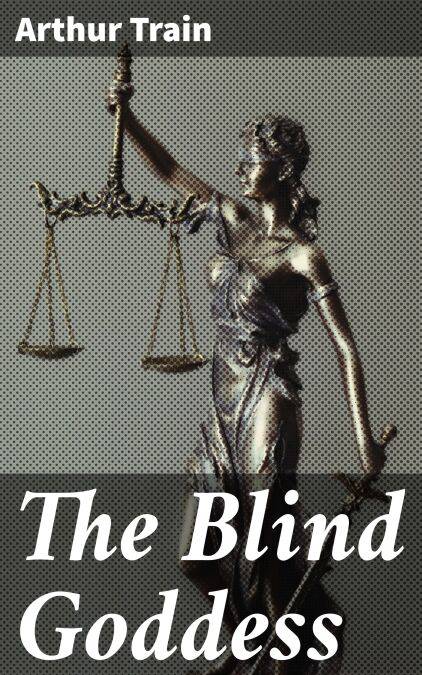
The Blind Goddess E-BOOK
A Legal Thriller of Moral Ambiguity and Intricate Plot Twists
Arthur Train
E-book | Engels
€ 0,99
€ 1,99
Eenvoudig bestellen
Veilig betalen


Onmiddellijk geleverd via e-mail
Omschrijving
In "The Blind Goddess," Arthur Train intricately weaves a compelling narrative that explores the complexities of justice and morality within the American legal system. Set against the backdrop of early 20th-century societal norms, the novel employs a blend of legal realism and moral inquiry, capturing the tensions between law and equity. With his nuanced characterizations and sharp dialogue, Train presents a vivid tableau of the courtroom drama, taking readers on a journey through the trials and tribulations faced by those who navigate the often capricious nature of judicial outcomes. The novel'Äôs structure, interspersed with moments of introspection and social commentary, reflects the author'Äôs understanding of both legal intricacies and human frailty, inviting readers to reflect on the deeper implications of justice. Arthur Train, a prominent figure in the American legal community and a prolific writer, offers a rare insider'Äôs perspective through his extensive experience as a lawyer and judge. His background imbues "The Blind Goddess" with authenticity, as Train deftly articulates the interplay of ambition, ethics, and the human condition that characterize the courtroom. His commitment to conveying the moral dilemmas faced by legal practitioners stems from his own contemplations on justice and societal duty. For readers captivated by tales of legal challenges and ethical quandaries, "The Blind Goddess" is an essential addition to the canon of American legal fiction. Train'Äôs insightful exploration of justice'Äôs blind nature will resonate with those interested in the intersection of law, morality, and the human experience. This novel not only entertains but provokes critical thought about the foundations of our legal system, making it a thought-provoking read for both legal professionals and laypersons alike.
Specificaties
Betrokkenen
- Auteur(s):
- Uitgeverij:
Inhoud
- Aantal bladzijden:
- 232
- Taal:
- Engels
Eigenschappen
- Productcode (EAN):
- 4064066361129
- Verschijningsdatum:
- 30/08/2021
- Uitvoering:
- E-book
- Beveiligd met:
- Digital watermarking
- Formaat:
- ePub


Alleen bij Standaard Boekhandel
CADEAU

AANGERADEN


Beoordelingen
We publiceren alleen reviews die voldoen aan de voorwaarden voor reviews. Bekijk onze voorwaarden voor reviews.