



- Afhalen na 1 uur in een winkel met voorraad
- In januari gratis thuislevering in België
- Ruim aanbod met 7 miljoen producten
- Afhalen na 1 uur in een winkel met voorraad
- In januari gratis thuislevering in België
- Ruim aanbod met 7 miljoen producten





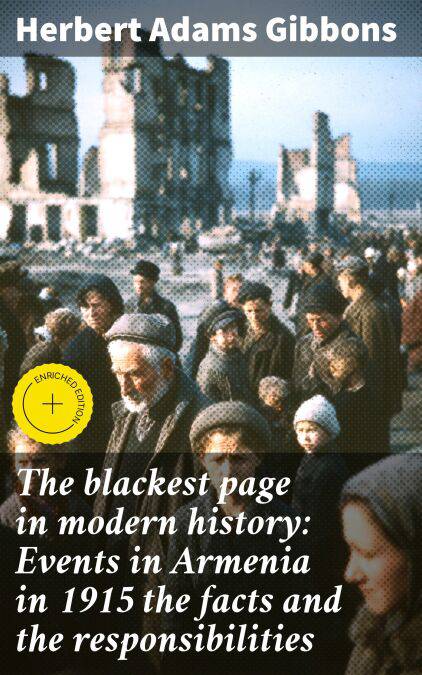
The blackest page in modern history: Events in Armenia in 1915 the facts and the responsibilities E-BOOK
Enriched edition. Unveiling the Tragic Realities: Insights into the Armenian Genocide
Herbert Adams Gibbons
E-book | Engels
€ 0,99
€ 1,99
Omschrijving
Herbert Adams Gibbons' "The Blackest Page in Modern History: Events in Armenia in 1915 'Äì The Facts and the Responsibilities" meticulously chronicles the harrowing events of the Armenian Genocide during World War I. Gibbons employs a journalistic style, peppered with meticulous research and firsthand accounts, which heightens the emotional weight of the narrative. This work stands at the confluence of historical analysis and moral inquiry, firmly positioned within the contemporary discourse around human rights violations and the ethical responsibilities of nations. The author's commitment to uncovering the truth behind the systematic extermination of Armenians and the geopolitical implications of negligence is palpable throughout the text. Gibbons, a prominent American journalist and historian, dedicated much of his career to exposing injustices across the globe. His experiences in the Ottoman Empire during the early 20th century undoubtedly informed his perspective and passion for advocating against oppression. Gibbons' thorough interviews and personal observations offer invaluable insights, making this work not just a historical account but also a plea for accountability and recognition of atrocities'—a personal mission birthed from his encounters with the affected communities. This important text is a must-read for scholars, students, and general readers interested in genocide studies, history, and human rights. Gibbons not only presents facts but urges readers to confront uncomfortable truths and engage with the moral imperatives that arise from them. Readers will find themselves compelled to reflect on the lessons of history as Gibbons challenges us to acknowledge our responsibilities toward justice, thus ensuring that such tragedies may never be forgotten.
In this enriched edition, we have carefully created added value for your reading experience:
- Hand‐picked Memorable Quotes shine a spotlight on moments of literary brilliance.
- Interactive footnotes clarify unusual references, historical allusions, and archaic phrases for an effortless, more informed read.
In this enriched edition, we have carefully created added value for your reading experience:
- Hand‐picked Memorable Quotes shine a spotlight on moments of literary brilliance.
- Interactive footnotes clarify unusual references, historical allusions, and archaic phrases for an effortless, more informed read.
Specificaties
Betrokkenen
- Auteur(s):
- Uitgeverij:
Inhoud
- Aantal bladzijden:
- 21
- Taal:
- Engels
Eigenschappen
- Productcode (EAN):
- 4064066429218
- Verschijningsdatum:
- 20/08/2022
- Uitvoering:
- E-book
- Beveiligd met:
- Digital watermarking
- Formaat:
- ePub



Alleen bij Standaard Boekhandel
Cadeau

AANGERADEN


Beoordelingen
We publiceren alleen reviews die voldoen aan de voorwaarden voor reviews. Bekijk onze voorwaarden voor reviews.