


- Afhalen na 1 uur in een winkel met voorraad
- Gratis thuislevering in België vanaf € 30
- Ruim aanbod met 7 miljoen producten
- Afhalen na 1 uur in een winkel met voorraad
- Gratis thuislevering in België vanaf € 30
- Ruim aanbod met 7 miljoen producten




€ 156,95
+ 313 punten
Omschrijving
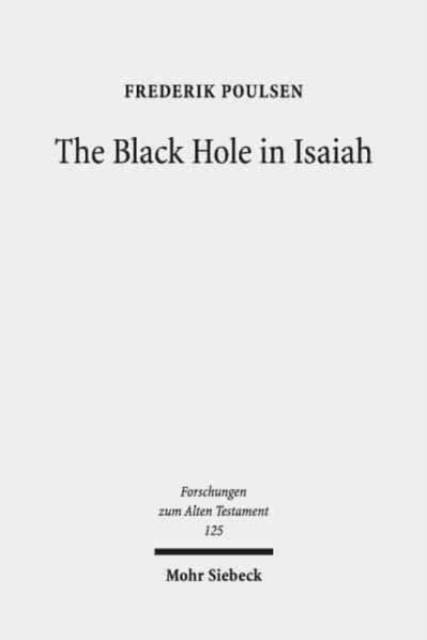
Frederik Poulsen investigates exile as a literary and theological theme in the book of Isaiah. While other biblical writings explicitly depict the destruction of Jerusalem and the inhabitants' deportation to Babylon in the early sixth century BCE, Isaiah is apparently silent. At the center of the book where readers would expect to find an account of these traumatic and defining events, there is just a strange gap. The author argues that the curious break between chapters 39 and 40 indicates an anti-climax - a destroyed and forsaken Jerusalem - and that several passages stress its importance by either pointing forward to it or looking back at it. Frederik Poulsen demonstrates that the exile in Isaiah hides itself as a "black hole" at the center of the book and thereby has a decisive influence on the literary structure, poetic imagery, and theological message of this prophetic scroll.
Specificaties
Betrokkenen
- Auteur(s):
- Uitgeverij:
Inhoud
- Aantal bladzijden:
- 475
- Taal:
- Engels
- Reeks:
- Reeksnummer:
- nr. 125
Eigenschappen
- Productcode (EAN):
- 9783161568626
- Verschijningsdatum:
- 1/01/2019
- Uitvoering:
- Hardcover
- Formaat:
- Genaaid
- Afmetingen:
- 153 mm x 229 mm
- Gewicht:
- 598 g


Alleen bij Standaard Boekhandel
+ 313 punten op je klantenkaart van Standaard Boekhandel
Cadeau

AANGERADEN


Beoordelingen
We publiceren alleen reviews die voldoen aan de voorwaarden voor reviews. Bekijk onze voorwaarden voor reviews.