


- Afhalen na 1 uur in een winkel met voorraad
- Gratis thuislevering in België vanaf € 30
- Ruim aanbod met 7 miljoen producten
- Afhalen na 1 uur in een winkel met voorraad
- Gratis thuislevering in België vanaf € 30
- Ruim aanbod met 7 miljoen producten





€ 28,00
+ 56 punten
Omschrijving
Endgame theory teaches us two fundamental issues: First, how to extract the
maximum from a basic theoretical position with little material, where the experts
(from practice comprising thousands of games) have reached definite conclusions.
Second, the way in which we can handle an endgame, depending on the material
remaining on the board, and the ideas and plans we should employ.
This second issue is significantly more difficult to master because, apart from
making full use of the first one (we must be aware of the possible outcomes of the
endgame in question) it is greatly influenced by our experience and understanding,
which are basically derived from the images and impressions we have from related
positions. A primary role is played here by the effort we have invested in studying.
In middlegame theory, things are even tougher. We are obliged to study various
types of positions with specific strategic and tactical attributes, so as to understand
the underlying ideas and be able to employ them ourselves in similar situations.
While players have studied these topics and acquired knowledge, it is
the application of this knowledge in practice that helps differentiate between them.
Chess is not a simple game.
The purpose of this series is to introduce the reader to advanced training concepts,
using the same methods of presentation and instruction that were taught to great
players by famous trainers that they have worked with.
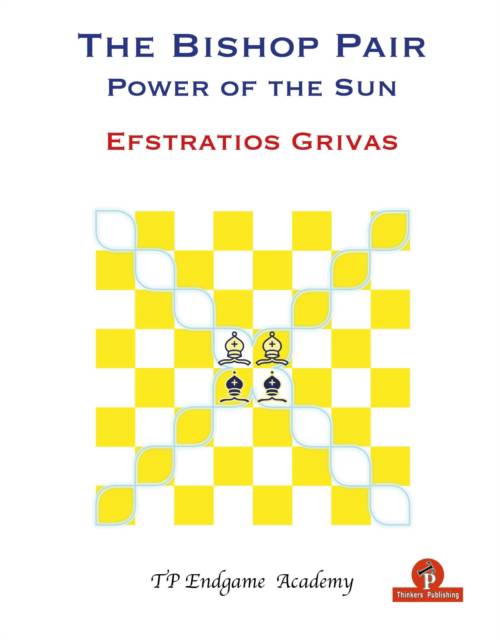
The series will continue with the topic of "the Bishop Pair", the first volume handled 'bishop endings' and we will examine how to
handle this "power of the sun" coupling.
maximum from a basic theoretical position with little material, where the experts
(from practice comprising thousands of games) have reached definite conclusions.
Second, the way in which we can handle an endgame, depending on the material
remaining on the board, and the ideas and plans we should employ.
This second issue is significantly more difficult to master because, apart from
making full use of the first one (we must be aware of the possible outcomes of the
endgame in question) it is greatly influenced by our experience and understanding,
which are basically derived from the images and impressions we have from related
positions. A primary role is played here by the effort we have invested in studying.
In middlegame theory, things are even tougher. We are obliged to study various
types of positions with specific strategic and tactical attributes, so as to understand
the underlying ideas and be able to employ them ourselves in similar situations.
While players have studied these topics and acquired knowledge, it is
the application of this knowledge in practice that helps differentiate between them.
Chess is not a simple game.
The purpose of this series is to introduce the reader to advanced training concepts,
using the same methods of presentation and instruction that were taught to great
players by famous trainers that they have worked with.
The series will continue with the topic of "the Bishop Pair", the first volume handled 'bishop endings' and we will examine how to
handle this "power of the sun" coupling.
Specificaties
Betrokkenen
- Auteur(s):
- Uitgeverij:
Inhoud
- Aantal bladzijden:
- 248
- Taal:
- Engels
- Reeks:
Eigenschappen
- Productcode (EAN):
- 9789464201499
- Verschijningsdatum:
- 12/07/2022
- Uitvoering:
- Paperback
- Formaat:
- Trade paperback (VS)
- Afmetingen:
- 168 mm x 234 mm
- Gewicht:
- 453 g



Alleen bij Standaard Boekhandel
+ 56 punten op je klantenkaart van Standaard Boekhandel
Cadeau

AANGERADEN


Beoordelingen
We publiceren alleen reviews die voldoen aan de voorwaarden voor reviews. Bekijk onze voorwaarden voor reviews.