


- Afhalen na 1 uur in een winkel met voorraad
- Gratis thuislevering in België vanaf € 30
- Ruim aanbod met 7 miljoen producten
- Afhalen na 1 uur in een winkel met voorraad
- Gratis thuislevering in België vanaf € 30
- Ruim aanbod met 7 miljoen producten





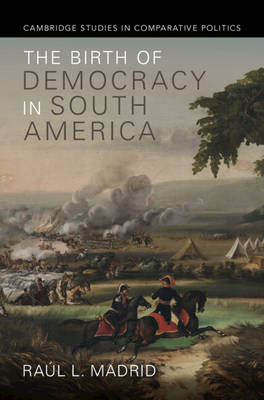
The Birth of Democracy in South America
Raúl L Madrid
€ 158,95
+ 317 punten
Uitvoering
Eenvoudig bestellen
Veilig betalen


Gratis thuislevering vanaf € 30 (via bpost)
Gratis levering in je Standaard Boekhandel
Omschrijving
South America contains some of the oldest democracies in the world, yet we still know relatively little about how and why democracy arose in the region. Raúl L. Madrid argues that three main developments - the professionalization of the military, the growth of parties, and splits within the ruling party - led to democratization in the early twentieth century. Military professionalization increased the incentives for the opposition to abandon the armed struggle and focus on the electoral path to power. The growth of parties boosted the capacity of the opposition to enact and enforce democratic reforms that would level the electoral playing field. And ruling party splits created the opportunity for the opposition and ruling party dissidents to ally and push through reforms. This persuasive and original book offers important implications for the study of democracy. This title is also available as Open Access on Cambridge Core.
Specificaties
Betrokkenen
- Auteur(s):
- Uitgeverij:
Inhoud
- Aantal bladzijden:
- 390
- Taal:
- Engels
- Reeks:
Eigenschappen
- Productcode (EAN):
- 9781009633819
- Verschijningsdatum:
- 7/08/2025
- Uitvoering:
- Hardcover
- Formaat:
- Genaaid
- Afmetingen:
- 152 mm x 229 mm
- Gewicht:
- 684 g


Alleen bij Standaard Boekhandel
+ 317 punten op je klantenkaart van Standaard Boekhandel
CADEAU

AANGERADEN


Beoordelingen
We publiceren alleen reviews die voldoen aan de voorwaarden voor reviews. Bekijk onze voorwaarden voor reviews.