



Bedankt voor het vertrouwen het afgelopen jaar! Om jou te bedanken bieden we GRATIS verzending (in België) aan op alles gedurende de hele maand januari.
- Afhalen na 1 uur in een winkel met voorraad
- In januari gratis thuislevering in België
- Ruim aanbod met 7 miljoen producten
Bedankt voor het vertrouwen het afgelopen jaar! Om jou te bedanken bieden we GRATIS verzending (in België) aan op alles gedurende de hele maand januari.
- Afhalen na 1 uur in een winkel met voorraad
- In januari gratis thuislevering in België
- Ruim aanbod met 7 miljoen producten





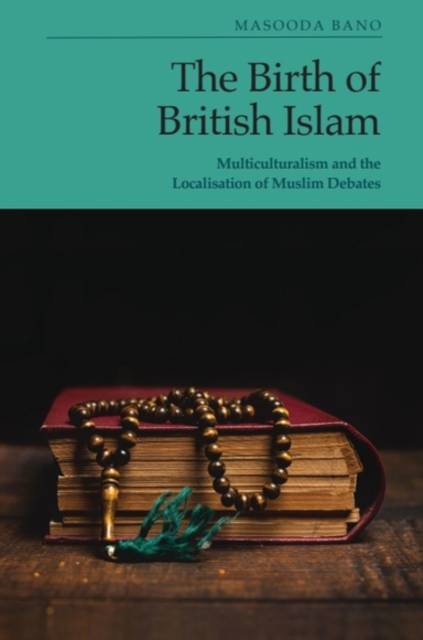
The Birth of British Islam
Multiculturalism and the Localisation of Muslim Debates
Masooda Bano
Hardcover | Engels
€ 140,95
+ 281 punten
Omschrijving
British multiculturalism is increasingly under attack by politicians across the spectrum, accused of fostering 'parallel communities' unwilling to embrace 'British values'. This book challenges such claims through a decade of research within British Muslim communities, including those most often labelled 'parallel'. It shows how mosques and dar ul ulooms (Islamic higher education institutions) across the UK are breaking with earlier insular approaches, stressing that British values are not only compatible with Islam but worthy of respect. Among second- and third-generation British Muslims--including the new cohorts of imams trained in British seminaries--there is a clear aspiration to integrate as productive citizens. The book highlights that the small minority of disaffected Muslim youth, frequently amplified in media and policy debates, tend to come from disadvantaged socio-economic or troubled family backgrounds exposing them to negative experiences from the wider society. Rather than being the cause of their alienation, Islamic teachings often provide a moral compass that can steer them away from destructive choices when supported positively.
Crucially, the book argues that British multiculturalism must be strengthened, not dismantled. Fears that such policies entrench the marginalization of women within minority communities are overstated. In practice, Muslim women are at the forefront of change--as mothers, educators, and preachers--actively shaping debates on what it means to be proudly British and Muslim. Their empowerment has been made possible precisely because multiculturalism offers both opportunities for personal growth and the autonomy to define their relationship to faith.
Specificaties
Betrokkenen
- Auteur(s):
- Uitgeverij:
Inhoud
- Aantal bladzijden:
- 304
- Taal:
- Engels
Eigenschappen
- Productcode (EAN):
- 9781399560641
- Verschijningsdatum:
- 30/06/2026
- Uitvoering:
- Hardcover
- Formaat:
- Genaaid
- Afmetingen:
- 156 mm x 234 mm


Alleen bij Standaard Boekhandel
+ 281 punten op je klantenkaart van Standaard Boekhandel
SOLDEN


Beoordelingen
We publiceren alleen reviews die voldoen aan de voorwaarden voor reviews. Bekijk onze voorwaarden voor reviews.