


- Afhalen na 1 uur in een winkel met voorraad
- Gratis thuislevering in België vanaf € 30
- Ruim aanbod met 7 miljoen producten
- Afhalen na 1 uur in een winkel met voorraad
- Gratis thuislevering in België vanaf € 30
- Ruim aanbod met 7 miljoen producten





€ 106,00
+ 212 punten
Omschrijving
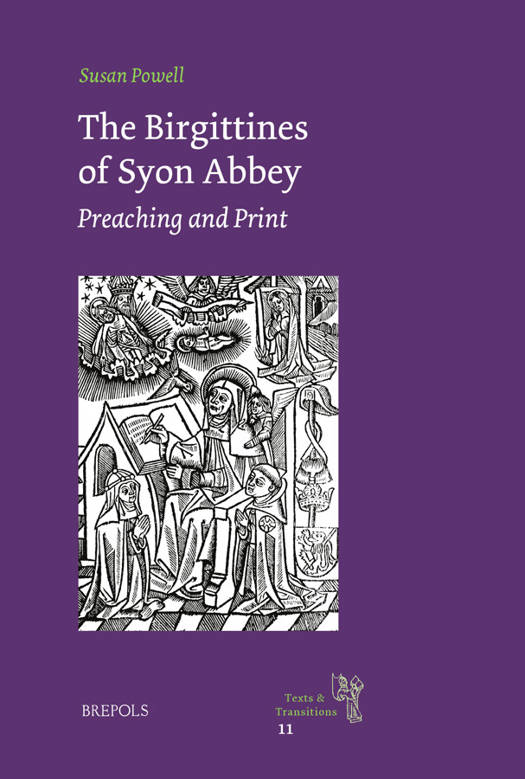
The Birgittine Order of nuns, founded by St Birgitta herself, was first established at Vadstena in Sweden in 1384, six years after the order had received papal recognition and eleven years after the saint's death. It only ever established one house in Britain, but that was a significant one. The house was founded by Henry V in 1415 and was peopled by daughters of the most influential English families, who formed the sisterhood, and some of the most learned and intellectual English priests, who formed the complementary brotherhood.This book considers the role of the Birgittines of Syon as producers and readers of texts through an analysis of both late medieval manuscripts and early printed books. It focuses on the later fifteenth and early sixteenth centuries, the most fruitful period of Birgittine outreach, when the printing press had opened up new opportunities of mission and transmission. It considers the community's response to the teachings of St Birgitta herself in relation to the Birgittines' preaching, for which Syon was nationally famous, as well as their authorship of works in both manuscript and printed format. It also examines the relationship between the Syon community and the nearby Carthusians of Sheen and London. In particular, it highlights the intermediary role of King Henry VII's mother, Lady Margaret Beaufort, who was an important link between the Birgittines, the Carthusians, and the printing houses of the late Middle Ages.
Specificaties
Betrokkenen
- Auteur(s):
- Uitgeverij:
Inhoud
- Aantal bladzijden:
- 348
- Taal:
- Engels
- Reeks:
- Reeksnummer:
- nr. 11
Eigenschappen
- Productcode (EAN):
- 9782503532356
- Verschijningsdatum:
- 14/09/2017
- Uitvoering:
- Hardcover
- Formaat:
- Genaaid
- Afmetingen:
- 156 mm x 234 mm
- Gewicht:
- 412 g


Alleen bij Standaard Boekhandel
+ 212 punten op je klantenkaart van Standaard Boekhandel
Cadeau

AANGERADEN


Beoordelingen
We publiceren alleen reviews die voldoen aan de voorwaarden voor reviews. Bekijk onze voorwaarden voor reviews.