


- Afhalen na 1 uur in een winkel met voorraad
- Gratis thuislevering in België vanaf € 30
- Ruim aanbod met 7 miljoen producten
- Afhalen na 1 uur in een winkel met voorraad
- Gratis thuislevering in België vanaf € 30
- Ruim aanbod met 7 miljoen producten





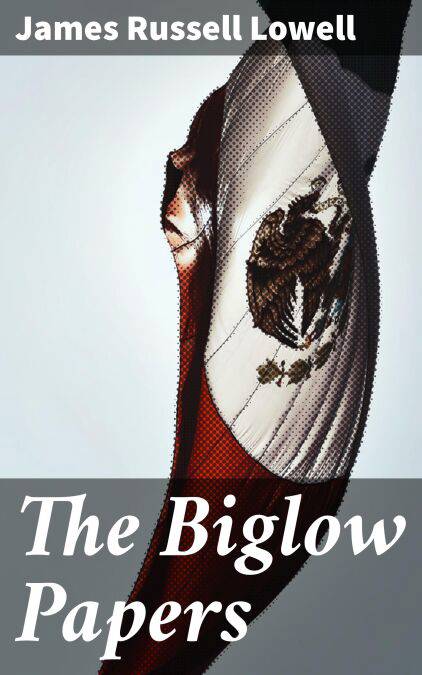
The Biglow Papers E-BOOK
Satirical Yankee Verse on 19th-Century America: A Timeless Blend of Humor and Social Commentary
James Russell Lowell
E-book | Engels
€ 0,49
Uitvoering
Omschrijving
In "The Biglow Papers," James Russell Lowell employs an innovative blend of dialect poetry and satirical verse to confront the pressing social and political issues of the 19th century. Written in the voice of the fictional character Hosea Biglow, the work critiques contemporary themes such as American expansionism and the moral implications of the Mexican-American War. Through its sharp wit and humor, Lowell's writing reveals the tensions within a society grappling with questions of identity and national purpose, making it a pivotal contribution to the American literary tradition of social critique. James Russell Lowell, a prominent figure of the American Romantic movement and a key member of the Fireside Poets, was deeply influenced by the prevailing issues of his time, including abolitionism and education reform. His erudition and experiences as a journalist and critic endowed him with a unique perspective on the socio-political landscape, which undoubtedly shaped his decision to adopt the voice of a rustic New England farmer in order to connect with a broad audience and present his ideals. Readers seeking both entertainment and insight into the historical and political climate of the era will find "The Biglow Papers" an essential and engaging read. With its rich tapestry of humor and pointed commentary, this work invites reflection on the enduring questions of morality in governance and the complexities of American identity.
Specificaties
Betrokkenen
- Auteur(s):
- Uitgeverij:
Inhoud
- Aantal bladzijden:
- 216
- Taal:
- Engels
Eigenschappen
- Productcode (EAN):
- 4057664612786
- Verschijningsdatum:
- 26/11/2019
- Uitvoering:
- E-book
- Beveiligd met:
- Digital watermarking
- Formaat:
- ePub



Alleen bij Standaard Boekhandel
CADEAU

AANGERADEN


Beoordelingen
We publiceren alleen reviews die voldoen aan de voorwaarden voor reviews. Bekijk onze voorwaarden voor reviews.