


- Afhalen na 1 uur in een winkel met voorraad
- Gratis thuislevering in België vanaf € 30
- Ruim aanbod met 7 miljoen producten
- Afhalen na 1 uur in een winkel met voorraad
- Gratis thuislevering in België vanaf € 30
- Ruim aanbod met 7 miljoen producten





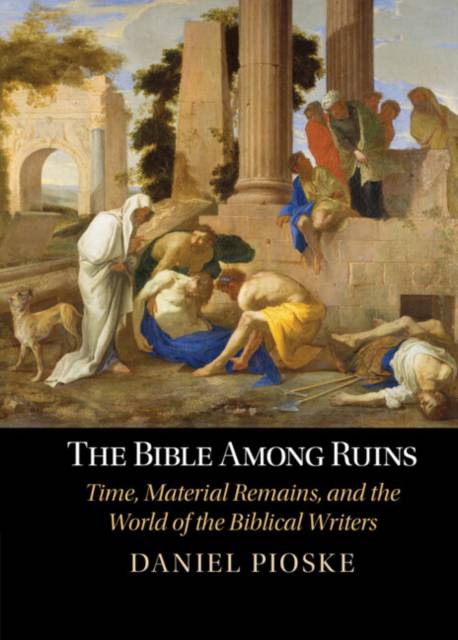
The Bible Among Ruins
Time, Material Remains, and the World of the Biblical Writers
Daniel Pioske
Hardcover | Engels
€ 167,45
+ 334 punten
Omschrijving
Biblical writers lived in a world that was already ancient. The lands familiar to them were populated throughout by the ruins of those who had lived two thousand years earlier. References to ruins abound in the Hebrew Bible, attesting to widespread familiarity with the material remains by those who wrote these texts. Never, however, do we find a single passage that expresses an interest in digging among these ruins to learn about those who lived before. Why? In this book, Daniel Pioske offers the first study of ruination in the Hebrew Bible. Drawing on scholarship in biblical studies, archaeology, contemporary historical theory, and philosophy, he demonstrates how the ancient experience of ruins differed radically from that of the modern era. For biblical writers, ruins were connected to temporalities of memory, presence, and anticipation. Pioske's book recreates the encounter with ruins as it was experienced during antiquity and shows how modern archaeological research has transformed how we read the Bible.
Specificaties
Betrokkenen
- Auteur(s):
- Uitgeverij:
Inhoud
- Aantal bladzijden:
- 350
- Taal:
- Engels
Eigenschappen
- Productcode (EAN):
- 9781009412605
- Verschijningsdatum:
- 12/10/2023
- Uitvoering:
- Hardcover
- Formaat:
- Genaaid
- Afmetingen:
- 178 mm x 256 mm
- Gewicht:
- 884 g


Alleen bij Standaard Boekhandel
+ 334 punten op je klantenkaart van Standaard Boekhandel
Cadeau

AANGERADEN


Beoordelingen
We publiceren alleen reviews die voldoen aan de voorwaarden voor reviews. Bekijk onze voorwaarden voor reviews.