


- Afhalen na 1 uur in een winkel met voorraad
- Gratis thuislevering in België vanaf € 30
- Ruim aanbod met 7 miljoen producten
- Afhalen na 1 uur in een winkel met voorraad
- Gratis thuislevering in België vanaf € 30
- Ruim aanbod met 7 miljoen producten





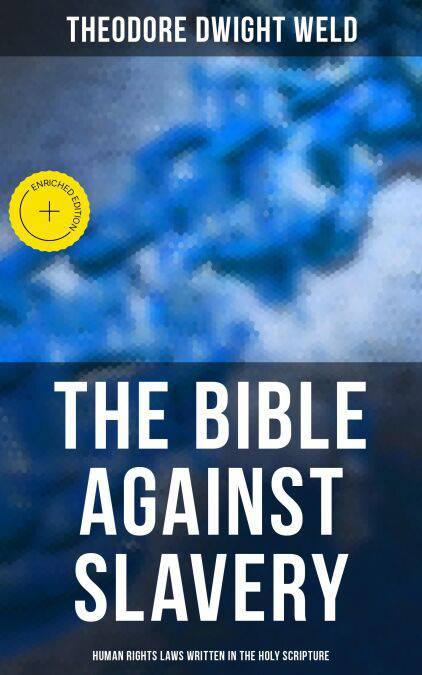
The Bible Against Slavery: Human Rights Laws Written in the Holy Scripture E-BOOK
Enriched edition.
Theodore Dwight Weld
E-book | Engels
€ 0,49
Omschrijving
In 'The Bible Against Slavery: Human Rights Laws Written in the Holy Scripture', Theodore Dwight Weld delves into the religious text to uncover the moral arguments against the institution of slavery. Focusing on the ethical teachings found within the Bible, Weld presents a thorough analysis of the scriptures to demonstrate how they conflict with the practice of owning human beings. The book is written in a scholarly and accessible style, making it a valuable resource for those interested in the intersections of religion and social justice in the context of the abolitionist movement of the 19th century. Weld's thorough research and persuasive arguments make this book essential reading for anyone seeking to understand the religious foundations of the anti-slavery movement. Theodore Dwight Weld, a prominent abolitionist and social reformer, was deeply committed to the cause of ending slavery and used his platform as a writer to advocate for the rights of the oppressed. His personal experiences and dedication to human rights issues shine through in this compelling work. I highly recommend 'The Bible Against Slavery' to readers interested in exploring the moral complexities of slavery through a religious lens, and for those interested in understanding the role of religion in shaping social movements for justice.
In this enriched edition, we have carefully created added value for your reading experience:
- A succinct Introduction situates the work's timeless appeal and themes.
- The Synopsis outlines the central plot, highlighting key developments without spoiling critical twists.
- A detailed Historical Context immerses you in the era's events and influences that shaped the writing.
- A thorough Analysis dissects symbols, motifs, and character arcs to unearth underlying meanings.
- Reflection questions prompt you to engage personally with the work's messages, connecting them to modern life.
- Hand‐picked Memorable Quotes shine a spotlight on moments of literary brilliance.
- Interactive footnotes clarify unusual references, historical allusions, and archaic phrases for an effortless, more informed read.
In this enriched edition, we have carefully created added value for your reading experience:
- A succinct Introduction situates the work's timeless appeal and themes.
- The Synopsis outlines the central plot, highlighting key developments without spoiling critical twists.
- A detailed Historical Context immerses you in the era's events and influences that shaped the writing.
- A thorough Analysis dissects symbols, motifs, and character arcs to unearth underlying meanings.
- Reflection questions prompt you to engage personally with the work's messages, connecting them to modern life.
- Hand‐picked Memorable Quotes shine a spotlight on moments of literary brilliance.
- Interactive footnotes clarify unusual references, historical allusions, and archaic phrases for an effortless, more informed read.
Specificaties
Betrokkenen
- Auteur(s):
- Uitgeverij:
Inhoud
- Aantal bladzijden:
- 85
- Taal:
- Engels
Eigenschappen
- Productcode (EAN):
- 4064066392871
- Verschijningsdatum:
- 16/12/2020
- Uitvoering:
- E-book
- Beveiligd met:
- Digital watermarking
- Formaat:
- ePub


Alleen bij Standaard Boekhandel
AANGERADEN


Beoordelingen
We publiceren alleen reviews die voldoen aan de voorwaarden voor reviews. Bekijk onze voorwaarden voor reviews.