


- Afhalen na 1 uur in een winkel met voorraad
- Gratis thuislevering in België vanaf € 30
- Ruim aanbod met 7 miljoen producten
- Afhalen na 1 uur in een winkel met voorraad
- Gratis thuislevering in België vanaf € 30
- Ruim aanbod met 7 miljoen producten




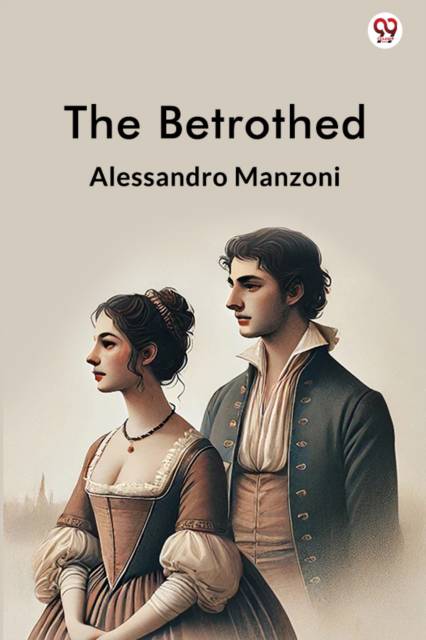
Omschrijving
Alessandro Francesco Tommaso Antonio Manzoni was an influential Italian poet, novelist, and philosopher, widely regarded for his contribution to Italian literature. Born on March 7, 1785, in Milan, Italy, Manzoni is best known for his novel The Betrothed (I Promessi Sposi), a work often considered one of the most important masterpieces of world literature. His life was marked by personal and intellectual struggles, and he went through significant philosophical and religious transformations, which deeply influenced his writing. Manzoni's early exposure to literature was shaped by his mother, Giulia Beccaria, and his father, Pietro Manzoni, both of whom had notable intellectual backgrounds. In his youth, Manzoni moved to Paris and became acquainted with the literary and philosophical currents of the time, particularly Romanticism. His works often reflect themes of faith, social justice, and human struggle, addressing the complex dynamics of Italian society. Throughout his life, Manzoni was married twice first to Henriette Blondel, with whom he had children, and later to Teresa Borri. He passed away on May 22, 1873, in Milan, leaving behind a legacy that profoundly impacted Italian literature and thought.
Specificaties
Betrokkenen
- Auteur(s):
- Uitgeverij:
Inhoud
- Aantal bladzijden:
- 392
- Taal:
- Engels
Eigenschappen
- Productcode (EAN):
- 9789370810907
- Verschijningsdatum:
- 1/03/2025
- Uitvoering:
- Paperback
- Formaat:
- Trade paperback (VS)
- Afmetingen:
- 140 mm x 216 mm
- Gewicht:
- 453 g


Alleen bij Standaard Boekhandel
+ 66 punten op je klantenkaart van Standaard Boekhandel
CADEAU

AANGERADEN


Beoordelingen
We publiceren alleen reviews die voldoen aan de voorwaarden voor reviews. Bekijk onze voorwaarden voor reviews.