


- Afhalen na 1 uur in een winkel met voorraad
- Gratis thuislevering in België vanaf € 30
- Ruim aanbod met 7 miljoen producten
- Afhalen na 1 uur in een winkel met voorraad
- Gratis thuislevering in België vanaf € 30
- Ruim aanbod met 7 miljoen producten




€ 48,95
+ 97 punten
Uitvoering
Omschrijving
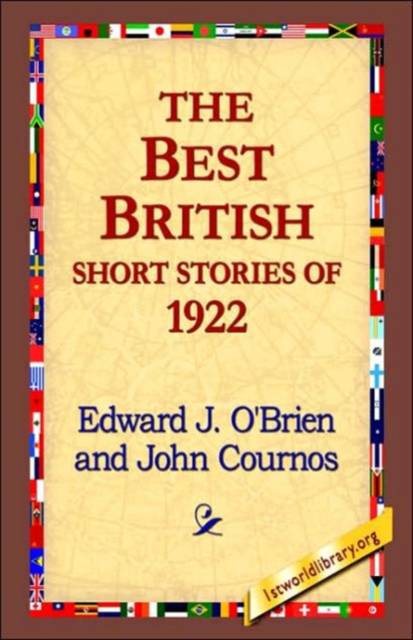
Purchase one of 1st World Library's Classic Books and help support our free internet library of downloadable eBooks. Visit us online at www.1stWorldLibrary.ORG - - When Edward J. O'Brien asked me to cooperate with him in choosing each year's best English short stories, to be published as a companion volume to his annual selection of the best American short stories, I had not realized that at the end of my arduous task, which has involved the reading of many hundreds of stories in the English magazines of an entire year, I should find myself asking the simple question: What is a short story? I do not suppose that a hundred years ago such a question could have occurred to any one. Then all that a story was and could be was implied in the simple phrase: "Tell me a story...." We all know what that means. How many stories published today would stand this simple if final test of being told by word of mouth? I doubt whether fifty per cent would. Surely the universality of the printing press and the linotype machine have done something to alter the character of literature, just as the train and the telephone have done not a little to abolish polite correspondence. Most stories of today are to be read, not told. Hence great importance must be attached to the manner of writing; in some instances, the whole effect of a modern tale is dependent on the manner of presentation. Henry James is, possibly, an extreme example.
Specificaties
Betrokkenen
- Auteur(s):
- Uitgeverij:
Inhoud
- Aantal bladzijden:
- 452
- Taal:
- Engels
Eigenschappen
- Productcode (EAN):
- 9781421800226
- Verschijningsdatum:
- 16/06/2006
- Uitvoering:
- Hardcover
- Formaat:
- Genaaid
- Afmetingen:
- 140 mm x 216 mm
- Gewicht:
- 707 g


Alleen bij Standaard Boekhandel
+ 97 punten op je klantenkaart van Standaard Boekhandel
CADEAU


Beoordelingen
We publiceren alleen reviews die voldoen aan de voorwaarden voor reviews. Bekijk onze voorwaarden voor reviews.