


- Afhalen na 1 uur in een winkel met voorraad
- Gratis thuislevering in België vanaf € 30
- Ruim aanbod met 7 miljoen producten
- Afhalen na 1 uur in een winkel met voorraad
- Gratis thuislevering in België vanaf € 30
- Ruim aanbod met 7 miljoen producten





€ 95,45
+ 190 punten
Uitvoering
Omschrijving
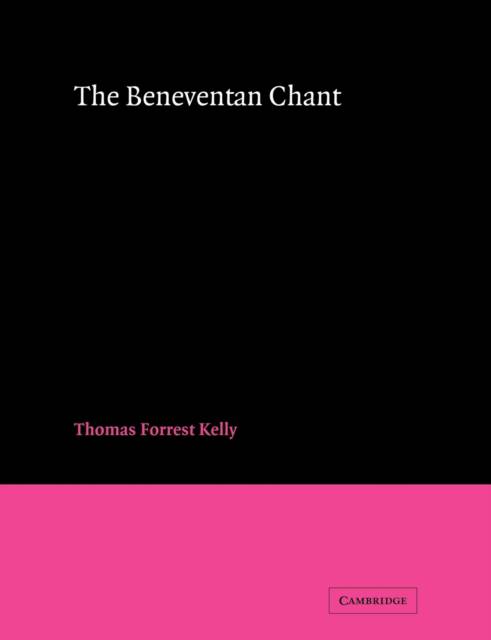
From the High Middle Ages the dominance of Gregorian chant has obscured the fact that musical practice in early medieval Europe was far richer than has hitherto been recognized. Despite its historical importance, the "Gregorian" is not the most consistent and probably not the oldest form of Christian chant. The recovery and study of regional musical dialects having a common ancestry in the Christian church and Western musical tradition are reshaping our view of the early history of Christian liturgical music. Thomas Kelly's major study of the Beneventan chant reinstates one of the oldest surviving bodies of Western music: the Latin church music of southern Italy as it existed before the spread of Gregorian chant. Dating from the seventh and eighth centuries it was largely forgotten after the Carolingian desire for political and liturgical uniformity imposed "Gregorian" chant throughout the realm. But a few later scribes, starting apparently in the tenth century, preserved a part of this regional heritage in writing. This book reassembles and describes the surviving repertory.
Specificaties
Betrokkenen
- Auteur(s):
- Uitgeverij:
Inhoud
- Aantal bladzijden:
- 368
- Taal:
- Engels
- Reeks:
Eigenschappen
- Productcode (EAN):
- 9780521065979
- Verschijningsdatum:
- 19/06/2008
- Uitvoering:
- Paperback
- Formaat:
- Trade paperback (VS)
- Afmetingen:
- 189 mm x 246 mm
- Gewicht:
- 657 g


Alleen bij Standaard Boekhandel
+ 190 punten op je klantenkaart van Standaard Boekhandel
Cadeau

AANGERADEN


Beoordelingen
We publiceren alleen reviews die voldoen aan de voorwaarden voor reviews. Bekijk onze voorwaarden voor reviews.