


- Afhalen na 1 uur in een winkel met voorraad
- Gratis thuislevering in België vanaf € 30
- Ruim aanbod met 7 miljoen producten
- Afhalen na 1 uur in een winkel met voorraad
- Gratis thuislevering in België vanaf € 30
- Ruim aanbod met 7 miljoen producten





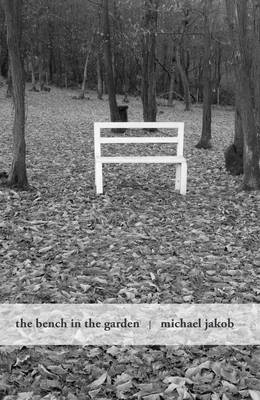
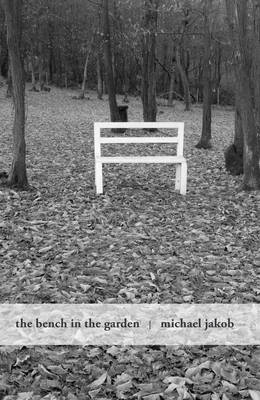
The Bench in the Garden
An Inquiry Into the Scopic History of a Bench
Michael Jakob
Paperback | Engels
€ 40,00
+ 80 punten
Omschrijving
The bench, an apparently small and almost irrelevant object, appears to function as a significant object both in the specific places where it operates and in a more general sense, in the domain where aesthetics, garden history, architecture, spatiality and subjectivity interfere. The bench acts as a powerful visual machine and regulates the reception of the landscapes it has to offer to its visitors. By transmitting verbal messages (through inscriptions), citing other benches and being part of a complex walk circuit, by providing rest and inviting its users to discover new aspects of the site, this highly polysemic element orients and disorients the visitor at the same time. Jakob's book doesn't intend to provide a catalogue of 'interesting' benches. It proposes rather an interdisciplinary journey in order to understand the way in which benches orient, teach, create emotions and direct our 'ways of seeing' it operating in the garden.
Specificaties
Betrokkenen
- Auteur(s):
- Uitgeverij:
Inhoud
- Aantal bladzijden:
- 200
- Taal:
- Engels
Eigenschappen
- Productcode (EAN):
- 9781939621795
- Verschijningsdatum:
- 30/07/2017
- Uitvoering:
- Paperback
- Formaat:
- Trade paperback (VS)
- Afmetingen:
- 160 mm x 241 mm
- Gewicht:
- 498 g


Alleen bij Standaard Boekhandel
+ 80 punten op je klantenkaart van Standaard Boekhandel
Cadeau

AANGERADEN


Beoordelingen
We publiceren alleen reviews die voldoen aan de voorwaarden voor reviews. Bekijk onze voorwaarden voor reviews.