


- Afhalen na 1 uur in een winkel met voorraad
- Gratis thuislevering in België vanaf € 30
- Ruim aanbod met 7 miljoen producten
- Afhalen na 1 uur in een winkel met voorraad
- Gratis thuislevering in België vanaf € 30
- Ruim aanbod met 7 miljoen producten





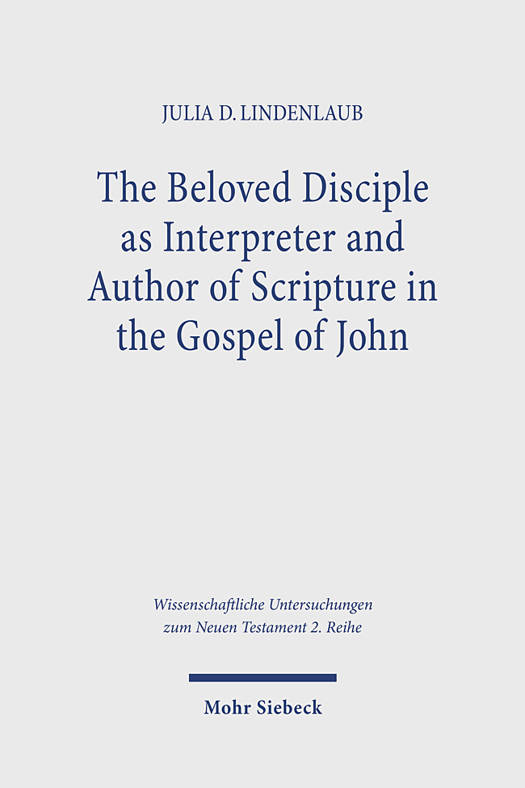
The Beloved Disciple as Interpreter and Author of Scripture in the Gospel of John
Julia D Lindenlaub
€ 83,45
+ 166 punten
Omschrijving
Julia D. Lindenlaub presents the Gospel of John's deliberate emphasis on its status as a written literary composition as modelled on antecedent esteem for authoritative written texts in ancient Judaism. The gospel's creative representation of its authorship reveals a correspondence between scripture and gospel and therein an overlooked motivation for its preoccupation with the written medium. The Gospel of John attributes its authorship to the work of a "beloved" disciple, whose role in the story presents him as both writer of the gospel and competent reader of texts from the Jewish scriptures. The author evaluates this figure's interpretation of these writings alongside his claim to compose a text in the same tradition. The argument presented reveals how the gospel's concern for referring to its written medium distinguishes it as "scriptural" in the sense of its Jewish predecessors.
Specificaties
Betrokkenen
- Auteur(s):
- Uitgeverij:
Inhoud
- Aantal bladzijden:
- 241
- Taal:
- Engels
- Reeks:
Eigenschappen
- Productcode (EAN):
- 9783161626890
- Verschijningsdatum:
- 1/09/2024
- Uitvoering:
- Paperback
- Formaat:
- Trade paperback (VS)
- Afmetingen:
- 231 mm x 155 mm
- Gewicht:
- 231 g


Alleen bij Standaard Boekhandel
+ 166 punten op je klantenkaart van Standaard Boekhandel
AANGERADEN


Beoordelingen
We publiceren alleen reviews die voldoen aan de voorwaarden voor reviews. Bekijk onze voorwaarden voor reviews.