



- Afhalen na 1 uur in een winkel met voorraad
- In januari gratis thuislevering in België
- Ruim aanbod met 7 miljoen producten
- Afhalen na 1 uur in een winkel met voorraad
- In januari gratis thuislevering in België
- Ruim aanbod met 7 miljoen producten





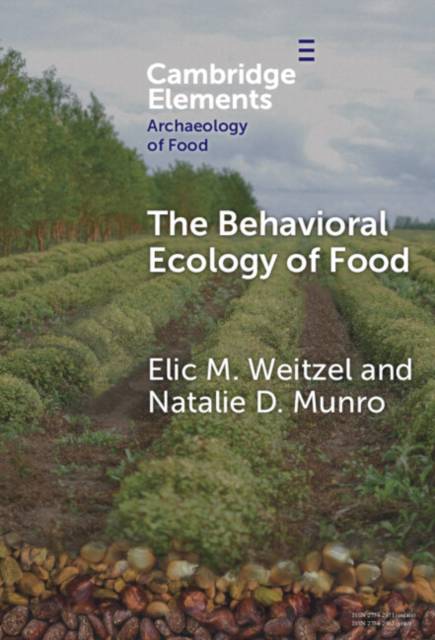
The Behavioral Ecology of Food
Bridging the Archaeological and the Contemporary
Elic M Weitzel, Natalie D Munro
€ 112,95
+ 225 punten
Uitvoering
Omschrijving
Due to the multi-faceted nature of food - as sustenance, symbol, and commodity - diverse theoretical perspectives have been used to study it in archaeology. One of the more influential and versatile of these approaches is behavioral ecology: the study of behavioral adaptation to local environments. Behavioral ecology provides a powerful body of theory for understanding human decision-making in both the past and present. This Element reviews what behavioral ecology is, how it has been used by archaeologists to study decision-making concerning food and subsistence, how it articulates with other ecological approaches, and how it can help us to better understand sustainability in our contemporary world. The use of behavioral ecology to bridge the archaeological and the contemporary can not only explain the roots of important behavioral processes, but provide potential policy solutions to promote a more sustainable society today.
Specificaties
Betrokkenen
- Auteur(s):
- Uitgeverij:
Inhoud
- Aantal bladzijden:
- 80
- Taal:
- Engels
- Reeks:
Eigenschappen
- Productcode (EAN):
- 9781009500456
- Verschijningsdatum:
- 19/02/2026
- Uitvoering:
- Hardcover
- Formaat:
- Genaaid
- Afmetingen:
- 152 mm x 229 mm
- Gewicht:
- 281 g


Alleen bij Standaard Boekhandel
+ 225 punten op je klantenkaart van Standaard Boekhandel
Cadeau

AANGERADEN


Beoordelingen
We publiceren alleen reviews die voldoen aan de voorwaarden voor reviews. Bekijk onze voorwaarden voor reviews.