


- Afhalen na 1 uur in een winkel met voorraad
- Gratis thuislevering in België vanaf € 30
- Ruim aanbod met 7 miljoen producten
- Afhalen na 1 uur in een winkel met voorraad
- Gratis thuislevering in België vanaf € 30
- Ruim aanbod met 7 miljoen producten





Omschrijving
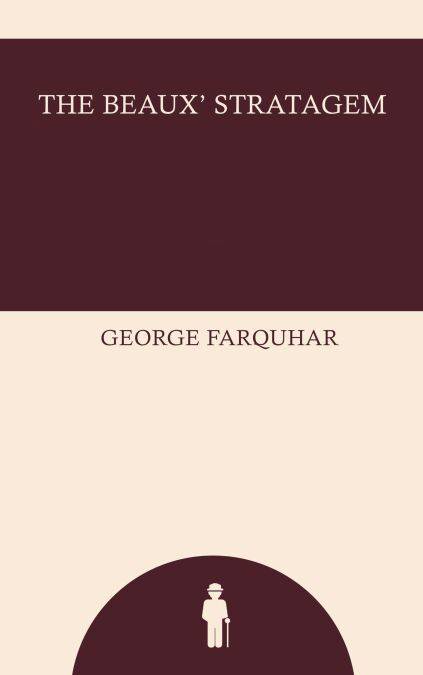
The Beaux' Stratagem by George Farquhar is a brilliant eighteenth-century comedy of manners that combines romance, deception, financial desperation, and social satire into one of the most entertaining works of Restoration theatre. First performed in 1707, the play is celebrated for its witty dialogue, dynamic characters, and insightful portrayal of human ambition and romantic pursuit.
The story follows two young gentlemen who, facing financial hardship, devise a plan to restore their fortunes by seeking wealthy marriages in a provincial setting. Their scheme leads them into a series of comedic encounters involving disguises, misunderstandings, and unexpected romantic entanglements. As they navigate the complexities of love and money, their carefully constructed plan begins to unravel in humorous and surprising ways.
At the same time, the play presents a parallel romantic storyline involving a noblewoman trapped in an unhappy domestic situation. Her interactions with one of the disguised gentlemen introduce themes of sincerity, emotional connection, and the possibility of genuine affection beyond social convenience. This contrast between calculated pursuit and authentic feeling forms the emotional core of the drama.
Farquhar's writing is marked by sharp wit, lively pacing, and keen observation of social behavior. The play critiques the mercenary nature of marriage arrangements while celebrating honesty, humor, and emotional intelligence. Its characters are vividly drawn, each contributing to a rich tapestry of comedic and romantic situations.
The Beaux' Stratagem remains a classic of English theatre, admired for its balance of humor, romance, and social commentary. Its enduring appeal lies in its energetic storytelling and its exploration of love, strategy, and the unpredictable consequences of human desire.
The story follows two young gentlemen who, facing financial hardship, devise a plan to restore their fortunes by seeking wealthy marriages in a provincial setting. Their scheme leads them into a series of comedic encounters involving disguises, misunderstandings, and unexpected romantic entanglements. As they navigate the complexities of love and money, their carefully constructed plan begins to unravel in humorous and surprising ways.
At the same time, the play presents a parallel romantic storyline involving a noblewoman trapped in an unhappy domestic situation. Her interactions with one of the disguised gentlemen introduce themes of sincerity, emotional connection, and the possibility of genuine affection beyond social convenience. This contrast between calculated pursuit and authentic feeling forms the emotional core of the drama.
Farquhar's writing is marked by sharp wit, lively pacing, and keen observation of social behavior. The play critiques the mercenary nature of marriage arrangements while celebrating honesty, humor, and emotional intelligence. Its characters are vividly drawn, each contributing to a rich tapestry of comedic and romantic situations.
The Beaux' Stratagem remains a classic of English theatre, admired for its balance of humor, romance, and social commentary. Its enduring appeal lies in its energetic storytelling and its exploration of love, strategy, and the unpredictable consequences of human desire.
Specificaties
Betrokkenen
- Auteur(s):
- Uitgeverij:
Inhoud
- Aantal bladzijden:
- 87
- Taal:
- Engels
Eigenschappen
- Productcode (EAN):
- 9787028250013
- Verschijningsdatum:
- 5/05/2026
- Uitvoering:
- E-book
- Beveiligd met:
- Digital watermarking
- Formaat:
- ePub


Alleen bij Standaard Boekhandel
Cadeau

AANGERADEN


Beoordelingen
We publiceren alleen reviews die voldoen aan de voorwaarden voor reviews. Bekijk onze voorwaarden voor reviews.