


- Afhalen na 1 uur in een winkel met voorraad
- Gratis thuislevering in België vanaf € 30
- Ruim aanbod met 7 miljoen producten
- Afhalen na 1 uur in een winkel met voorraad
- Gratis thuislevering in België vanaf € 30
- Ruim aanbod met 7 miljoen producten





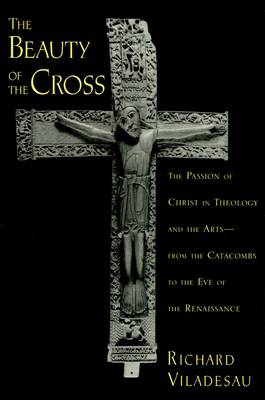
The Beauty of the Cross
The Passion of Christ in Theology and the Arts from the Catacombs to the Eve of the Renaissance
Richard Viladesau
Paperback | Engels
€ 72,45
+ 144 punten
Uitvoering
Omschrijving
From the earliest period of its existence, Christianity has been recognized as the "religion of the cross." Some of the great monuments of Western art are representations of the brutal torture and execution of Christ. Despite the horror of crucifixion, we often find such images beautiful. The beauty of the cross expresses the central paradox of Christian faith: the cross of Christ's execution is the symbol of God's victory over death and sin. The cross as an aesthetic object and as a means of devotion corresponds to the mystery of God's wisdom and power manifest in suffering and apparent failure. In this volume, Richard Viladesau seeks to understand the beauty of the cross as it developed in both theology and art from their beginnings until the eve of the renaissance. He argues that art and symbolism functioned as an alternative strand of theological expression -- sometimes parallel to, sometimes interwoven with, and sometimes in tension with formal theological reflection on the meaning of the Crucifixion and its role insalvation history. Using specific works of art to epitomize particular artistic and theological paradigms, Viladesau then explores the contours of each paradigm through the works of representative theologians as well as liturgical, poetic, artistic, and musical sources. The beauty of the cross is examined from Patristic theology and the earliest representations of the Logos on the cross, to the monastic theology of victory and the Romanesque crucified "majesty," to the Anselmian "revolution" that centered theological and artistic attention on the suffering humanity of Jesus, and finally to the breakdown of the high scholastic theology of the redemption in empirically concentrated nominalism and the beginnings of naturalism in art. By examining the relationship between aesthetic and conceptual theology, Viladesau deepens our understanding of the foremost symbol of Christianity. This volume makes an important contribution to an emerging field, breaking new ground in theological aesthetics. The Beauty of the Cross is a valuable resource for scholars, students, and anyone interested in the passion of Christ and its representation.
Specificaties
Betrokkenen
- Auteur(s):
- Uitgeverij:
Inhoud
- Aantal bladzijden:
- 240
- Taal:
- Engels
Eigenschappen
- Productcode (EAN):
- 9780195367119
- Verschijningsdatum:
- 27/03/2008
- Uitvoering:
- Paperback
- Formaat:
- Trade paperback (VS)
- Afmetingen:
- 155 mm x 231 mm
- Gewicht:
- 340 g


Alleen bij Standaard Boekhandel
+ 144 punten op je klantenkaart van Standaard Boekhandel

Beoordelingen
We publiceren alleen reviews die voldoen aan de voorwaarden voor reviews. Bekijk onze voorwaarden voor reviews.