


- Afhalen na 1 uur in een winkel met voorraad
- Gratis thuislevering in België vanaf € 30
- Ruim aanbod met 7 miljoen producten
- Afhalen na 1 uur in een winkel met voorraad
- Gratis thuislevering in België vanaf € 30
- Ruim aanbod met 7 miljoen producten





€ 99,45
+ 198 punten
Uitvoering
Omschrijving
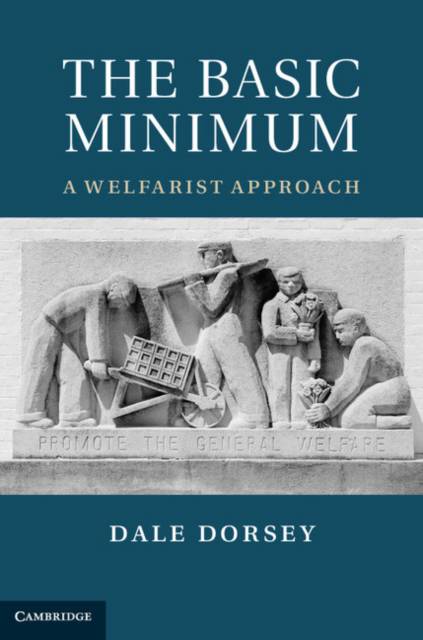
A common presupposition in contemporary moral and political philosophy is that individuals should be provided with some basic threshold of goods, capabilities, or well-being. But if there is such a basic minimum, how should this be understood? Dale Dorsey offers an underexplored answer: that the basic minimum should be characterized not as the achievement of a set of capabilities, or as access to some specified bundle of resources, but as the maintenance of a minimal threshold of human welfare. In addition, Dorsey argues that though political institutions should be committed to the promotion of this minimal threshold, we should reject approaches that seek to cast the basic minimum as a human right. His book will be important for all who are interested in theories of political morality.
Specificaties
Betrokkenen
- Auteur(s):
- Uitgeverij:
Inhoud
- Aantal bladzijden:
- 236
- Taal:
- Engels
Eigenschappen
- Productcode (EAN):
- 9781107017115
- Verschijningsdatum:
- 2/02/2012
- Uitvoering:
- Hardcover
- Formaat:
- Ongenaaid / garenloos gebonden
- Afmetingen:
- 152 mm x 229 mm
- Gewicht:
- 521 g


Alleen bij Standaard Boekhandel
+ 198 punten op je klantenkaart van Standaard Boekhandel
Cadeau

AANGERADEN


Beoordelingen
We publiceren alleen reviews die voldoen aan de voorwaarden voor reviews. Bekijk onze voorwaarden voor reviews.