


- Afhalen na 1 uur in een winkel met voorraad
- Gratis thuislevering in België vanaf € 30
- Ruim aanbod met 7 miljoen producten
- Afhalen na 1 uur in een winkel met voorraad
- Gratis thuislevering in België vanaf € 30
- Ruim aanbod met 7 miljoen producten





Omschrijving
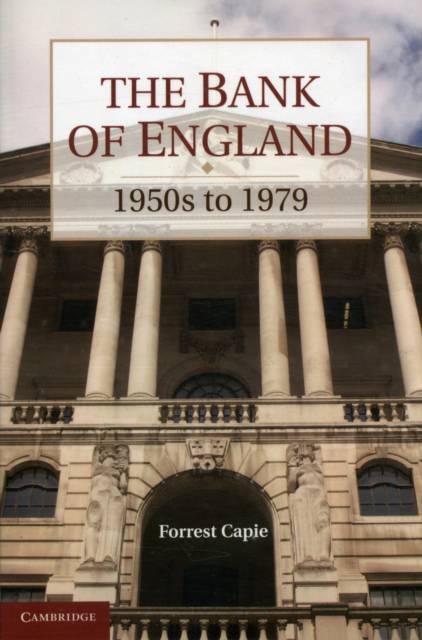
This history of the Bank of England takes its story from the 1950s to the end of the 1970s. This period probably saw the peak of the Bank's influence and prestige, as it dominated the financial landscape. One of the Bank's central functions was to manage the exchange rate. It was also responsible for administering all the controls that made up monetary policy. In the first part of the period, the Bank did all this with a remarkable degree of freedom. But economic policy was a failure, and sluggish output, banking instability, and rampant inflation characterized the 1970s. The pegged exchange rate was discontinued, and the Bank's freedom of movement was severely constrained, as new approaches to policy were devised and implemented. The Bank lost much of its freedom of movement but also took on more formal supervision.
Specificaties
Betrokkenen
- Auteur(s):
- Uitgeverij:
Inhoud
- Aantal bladzijden:
- 920
- Taal:
- Engels
- Reeks:
Eigenschappen
- Productcode (EAN):
- 9781107621695
- Verschijningsdatum:
- 27/08/2012
- Uitvoering:
- Paperback
- Formaat:
- Trade paperback (VS)
- Afmetingen:
- 152 mm x 229 mm
- Gewicht:
- 1360 g



Alleen bij Standaard Boekhandel
+ 193 punten op je klantenkaart van Standaard Boekhandel
Cadeau

AANGERADEN


Beoordelingen
We publiceren alleen reviews die voldoen aan de voorwaarden voor reviews. Bekijk onze voorwaarden voor reviews.