



Bedankt voor het vertrouwen het afgelopen jaar! Om jou te bedanken bieden we GRATIS verzending (in België) aan op alles gedurende de hele maand januari.
- Afhalen na 1 uur in een winkel met voorraad
- In januari gratis thuislevering in België
- Ruim aanbod met 7 miljoen producten
Bedankt voor het vertrouwen het afgelopen jaar! Om jou te bedanken bieden we GRATIS verzending (in België) aan op alles gedurende de hele maand januari.
- Afhalen na 1 uur in een winkel met voorraad
- In januari gratis thuislevering in België
- Ruim aanbod met 7 miljoen producten





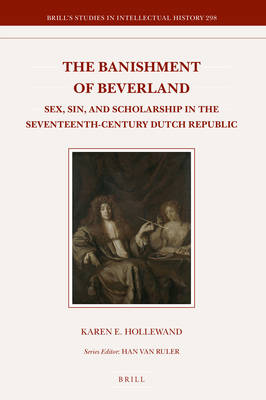
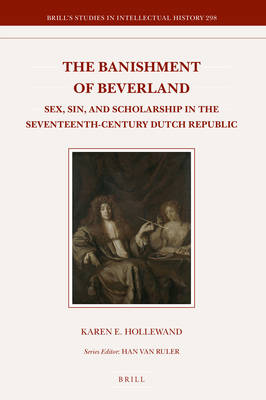
The Banishment of Beverland
Sex, Sin, and Scholarship in the Seventeenth-Century Dutch Republic
Karen Eline Hollewand
€ 226,45
+ 452 punten
Omschrijving
In 1679 Hadriaan Beverland (1650-1716) was banished from the province of Holland. Why was this humanist scholar exiled from one of the most tolerant parts of Europe in the seventeenth century? To answer this question, this book places Beverland's writings on sex, sin, and scholarship in their historical context for the first time. Beverland argued that sexual lust was the original sin and highlighted the importance of sex in human nature, ancient history, and his own society. His audacious works hit a raw nerve: Dutch theologians accused him of atheism, he was abandoned by his humanist colleagues, and he was banished by the University of Leiden.
By positioning Beverland's extraordinary scholarship in the context of the seventeenth-century Dutch Republic, this book examines how his radical studies challenged the intellectual, ecclesiastical, and political elite, providing a fresh perspective upon the Dutch Republic in the last decades of its Golden Age.
By positioning Beverland's extraordinary scholarship in the context of the seventeenth-century Dutch Republic, this book examines how his radical studies challenged the intellectual, ecclesiastical, and political elite, providing a fresh perspective upon the Dutch Republic in the last decades of its Golden Age.
Specificaties
Betrokkenen
- Auteur(s):
- Uitgeverij:
Inhoud
- Aantal bladzijden:
- 326
- Taal:
- Engels
- Reeks:
- Reeksnummer:
- nr. 298
Eigenschappen
- Productcode (EAN):
- 9789004344969
- Verschijningsdatum:
- 28/03/2019
- Uitvoering:
- Hardcover
- Formaat:
- Genaaid
- Afmetingen:
- 163 mm x 234 mm
- Gewicht:
- 612 g


Alleen bij Standaard Boekhandel
+ 452 punten op je klantenkaart van Standaard Boekhandel
SOLDEN


Beoordelingen
We publiceren alleen reviews die voldoen aan de voorwaarden voor reviews. Bekijk onze voorwaarden voor reviews.