


- Afhalen na 1 uur in een winkel met voorraad
- Gratis thuislevering in België vanaf € 30
- Ruim aanbod met 7 miljoen producten
- Afhalen na 1 uur in een winkel met voorraad
- Gratis thuislevering in België vanaf € 30
- Ruim aanbod met 7 miljoen producten





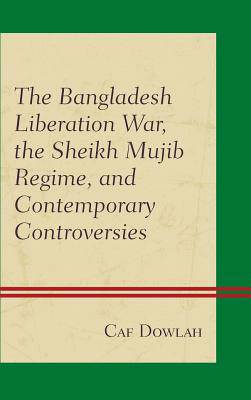
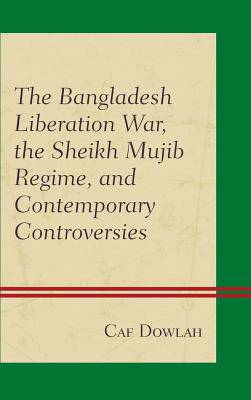
The Bangladesh Liberation War, the Sheikh Mujib Regime, and Contemporary Controversies
Caf Dowlah
Hardcover | Engels
€ 186,95
+ 373 punten
Omschrijving
The study provides an in-depth, up-to-date, and scholarly analysis of the liberation war and the Sheikh Mujib Regime of Bangladesh. Situating the emergence of Bangladesh in the broader historical context of the partition of British India in 1947, the study re-examines: a) how Mujib successfully galvanized the legitimate grievances of Bangladeshi people during the united Pakistan period (1947-71) and how a highly successful guerilla warfare of Bangladeshi people led to dismemberment of Pakistan in 1971 with crucial military and political support from neighboring India; (b) how in the post-liberation Bangladesh the Mujib regime toyed with contradictory political ideologies of democracy and socialism, and eventually ended up with a one-party monolithic rule; (c) how in the economic sphere the Mujib regime vacillated between petty bourgeoisie and socialist inclinations by half-heartedly pursuing socialization of agriculture and nationalization of industries, which resulted in plundering of the economy and plunging of millions of people in famine and near-famine situations; (d) how in 1975 the assassination of Mujib and collapse of his ill-fated regime, that failed to deliver both economically and politically, evoked little sympathy from the masses; and (e) how the trial of the killers of Mujib after 21 years of his death, and the trial of the collaborators of the liberation war after four decades of the country's liberation war, orchestrated by Sheikh Hasina government, keep the nation's political discourse still sharply divided.
Specificaties
Betrokkenen
- Auteur(s):
- Uitgeverij:
Inhoud
- Aantal bladzijden:
- 206
- Taal:
- Engels
Eigenschappen
- Productcode (EAN):
- 9781498534185
- Verschijningsdatum:
- 19/10/2016
- Uitvoering:
- Hardcover
- Formaat:
- Genaaid
- Afmetingen:
- 155 mm x 234 mm
- Gewicht:
- 408 g


Alleen bij Standaard Boekhandel
+ 373 punten op je klantenkaart van Standaard Boekhandel
Cadeau

AANGERADEN


Beoordelingen
We publiceren alleen reviews die voldoen aan de voorwaarden voor reviews. Bekijk onze voorwaarden voor reviews.