



Bedankt voor het vertrouwen het afgelopen jaar! Om jou te bedanken bieden we GRATIS verzending (in België) aan op alles gedurende de hele maand januari.
- Afhalen na 1 uur in een winkel met voorraad
- In januari gratis thuislevering in België
- Ruim aanbod met 7 miljoen producten
Bedankt voor het vertrouwen het afgelopen jaar! Om jou te bedanken bieden we GRATIS verzending (in België) aan op alles gedurende de hele maand januari.
- Afhalen na 1 uur in een winkel met voorraad
- In januari gratis thuislevering in België
- Ruim aanbod met 7 miljoen producten





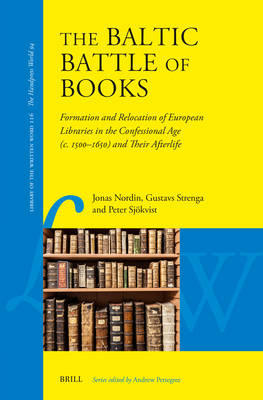
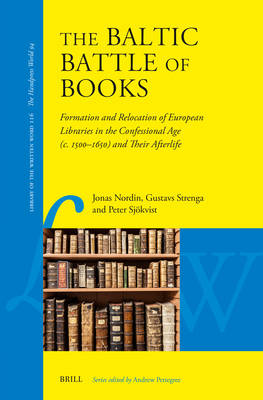
The Baltic Battle of Books
Formation and Relocation of European Libraries in the Confessional Age (C. 1500-C. 1650) and Their Afterlife
€ 222,95
+ 445 punten
Omschrijving
This book is about the creation, relocation, and reconstruction of libraries between the late Middle Ages and the Age of Confessionalization, that is, the era of religious division and struggle in Northern Europe following the Reformation and Counter-Reformation in the sixteenth and seventeenth centuries. At the time, different creeds clashed with each other, but it was also a period in which the political and intellectual geography of Europe was redrawn. Centuries-old political, economic, and cultural networks fell apart and were replaced with new ones. Books and libraries were at the centre of these cultural, political, and religious transformations, frequently seized as war booties and appropriated by their new owners in distant locations.
Specificaties
Betrokkenen
- Uitgeverij:
Inhoud
- Aantal bladzijden:
- 384
- Taal:
- Engels
- Reeks:
- Reeksnummer:
- nr. 116
Eigenschappen
- Productcode (EAN):
- 9789004441200
- Verschijningsdatum:
- 10/08/2023
- Uitvoering:
- Hardcover
- Formaat:
- Genaaid
- Afmetingen:
- 163 mm x 239 mm
- Gewicht:
- 675 g

Alleen bij Standaard Boekhandel
+ 445 punten op je klantenkaart van Standaard Boekhandel
SOLDEN


Beoordelingen
We publiceren alleen reviews die voldoen aan de voorwaarden voor reviews. Bekijk onze voorwaarden voor reviews.