


- Afhalen na 1 uur in een winkel met voorraad
- Gratis thuislevering in België vanaf € 30
- Ruim aanbod met 7 miljoen producten
- Afhalen na 1 uur in een winkel met voorraad
- Gratis thuislevering in België vanaf € 30
- Ruim aanbod met 7 miljoen producten





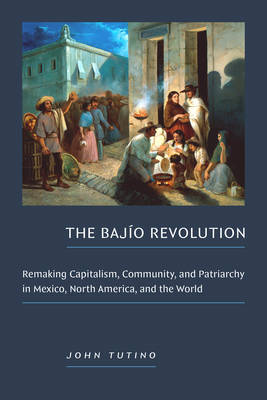
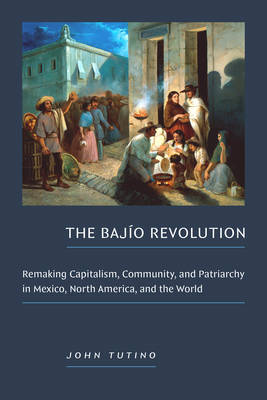
The Bajío Revolution
Remaking Capitalism, Community, and Patriarchy in Mexico, North America, and the World
John Tutino
Hardcover | Engels
€ 213,95
+ 427 punten
Omschrijving
In The Bajío Revolution, John Tutino examines how popular insurgents reshaped Mexico, the United States, and global capitalism during the nineteenth century. After detailing New Spain's silver-driven wealth, Tutino shows how the Bajío insurgency of 1810-20 broke silver flows and Asian trades, opening markets to industrial cloth made in England from cotton made by enslaved hands in the US South--while Bajío women claimed pivotal roles making maize to sustain families and guerrilla bands. As Mexico gained independence in 1821, mining remained broken while family growers held strong. Then, in the 1830s, a new silver-industrial capitalism fed by family maize makers rose in the Bajío. Women still led rural families and took on mill labor; one woman became Mexico's leading silver capitalist. Facing that competition, in the 1840s the United States invaded to claim Texas for cotton and slavery and California for gold. The new Mexican capitalism carried on until the United States mobilized gold taken in war to join a global gold standard in the 1870s--blocking Mexico's independent route to capitalism.
Specificaties
Betrokkenen
- Auteur(s):
- Uitgeverij:
Inhoud
- Aantal bladzijden:
- 568
- Taal:
- Engels
Eigenschappen
- Productcode (EAN):
- 9781478028703
- Verschijningsdatum:
- 22/08/2025
- Uitvoering:
- Hardcover
- Formaat:
- Genaaid
- Afmetingen:
- 152 mm x 229 mm
- Gewicht:
- 920 g


Alleen bij Standaard Boekhandel
+ 427 punten op je klantenkaart van Standaard Boekhandel
Cadeau

AANGERADEN


Beoordelingen
We publiceren alleen reviews die voldoen aan de voorwaarden voor reviews. Bekijk onze voorwaarden voor reviews.