


- Afhalen na 1 uur in een winkel met voorraad
- Gratis thuislevering in België vanaf € 30
- Ruim aanbod met 7 miljoen producten
- Afhalen na 1 uur in een winkel met voorraad
- Gratis thuislevering in België vanaf € 30
- Ruim aanbod met 7 miljoen producten





Omschrijving
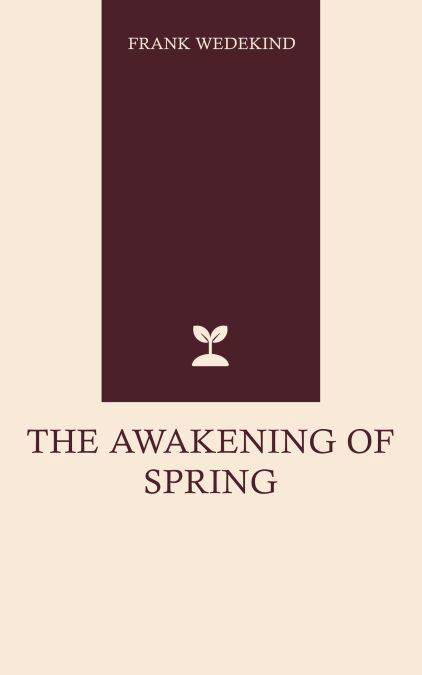
The Awakening of Spring by Frank Wedekind is a groundbreaking and provocative drama that explores the emotional turmoil, curiosity, and struggles of adolescence in a society bound by rigid moral expectations. First published in 1891, this powerful play challenged the strict social conventions of its time by openly addressing themes of youth, sexuality, authority, and the consequences of silence surrounding education and personal growth. 📖
Set in late 19th-century Germany, the story follows a group of teenagers who are beginning to confront the confusing transition from childhood to adulthood. As they struggle to understand their changing bodies, emotions, and desires, they face a world of adults who refuse to provide honest guidance or meaningful support. Instead of knowledge and understanding, the young characters encounter repression, fear, and misunderstanding.
At the center of the drama are three students—Melchior, Wendla, and Moritz—each navigating the challenges of growing up in different ways. Melchior is intelligent and questioning, seeking rational explanations for the mysteries of life. Wendla is innocent and curious, eager to understand the world around her. Moritz, however, becomes overwhelmed by academic pressure and personal confusion, representing the devastating consequences of societal expectations and emotional isolation.
Wedekind's bold and unflinching storytelling exposes the dangers of a culture that suppresses open discussion about sexuality, identity, and personal development. Through a series of intense and often tragic events, the play reveals how ignorance, fear, and strict authority can deeply harm young people who are searching for understanding and acceptance.
Despite the controversy that surrounded its early performances—many of which were banned or censored—The Awakening of Spring eventually gained recognition as a landmark work of modern theatre. Its honest portrayal of adolescence and its critique of social hypocrisy helped pave the way for more open discussions about youth, education, and psychological development.
Today, Wedekind's drama remains a powerful and thought-provoking work that continues to resonate with readers and audiences around the world. 🌍 Through its raw emotional depth and fearless exploration of difficult themes, The Awakening of Spring stands as an enduring classic that challenges society to listen to the voices of the young and confront the consequences of silence.
Set in late 19th-century Germany, the story follows a group of teenagers who are beginning to confront the confusing transition from childhood to adulthood. As they struggle to understand their changing bodies, emotions, and desires, they face a world of adults who refuse to provide honest guidance or meaningful support. Instead of knowledge and understanding, the young characters encounter repression, fear, and misunderstanding.
At the center of the drama are three students—Melchior, Wendla, and Moritz—each navigating the challenges of growing up in different ways. Melchior is intelligent and questioning, seeking rational explanations for the mysteries of life. Wendla is innocent and curious, eager to understand the world around her. Moritz, however, becomes overwhelmed by academic pressure and personal confusion, representing the devastating consequences of societal expectations and emotional isolation.
Wedekind's bold and unflinching storytelling exposes the dangers of a culture that suppresses open discussion about sexuality, identity, and personal development. Through a series of intense and often tragic events, the play reveals how ignorance, fear, and strict authority can deeply harm young people who are searching for understanding and acceptance.
Despite the controversy that surrounded its early performances—many of which were banned or censored—The Awakening of Spring eventually gained recognition as a landmark work of modern theatre. Its honest portrayal of adolescence and its critique of social hypocrisy helped pave the way for more open discussions about youth, education, and psychological development.
Today, Wedekind's drama remains a powerful and thought-provoking work that continues to resonate with readers and audiences around the world. 🌍 Through its raw emotional depth and fearless exploration of difficult themes, The Awakening of Spring stands as an enduring classic that challenges society to listen to the voices of the young and confront the consequences of silence.
Specificaties
Betrokkenen
- Auteur(s):
- Uitgeverij:
Inhoud
- Aantal bladzijden:
- 72
- Taal:
- Engels
Eigenschappen
- Productcode (EAN):
- 9781987470673
- Verschijningsdatum:
- 11/03/2026
- Uitvoering:
- E-book
- Beveiligd met:
- Digital watermarking
- Formaat:
- ePub


Alleen bij Standaard Boekhandel
Cadeau

AANGERADEN


Beoordelingen
We publiceren alleen reviews die voldoen aan de voorwaarden voor reviews. Bekijk onze voorwaarden voor reviews.