


- Afhalen na 1 uur in een winkel met voorraad
- Gratis thuislevering in België vanaf € 30
- Ruim aanbod met 7 miljoen producten
- Afhalen na 1 uur in een winkel met voorraad
- Gratis thuislevering in België vanaf € 30
- Ruim aanbod met 7 miljoen producten





€ 21,24
+ 21 punten
Uitvoering
Omschrijving
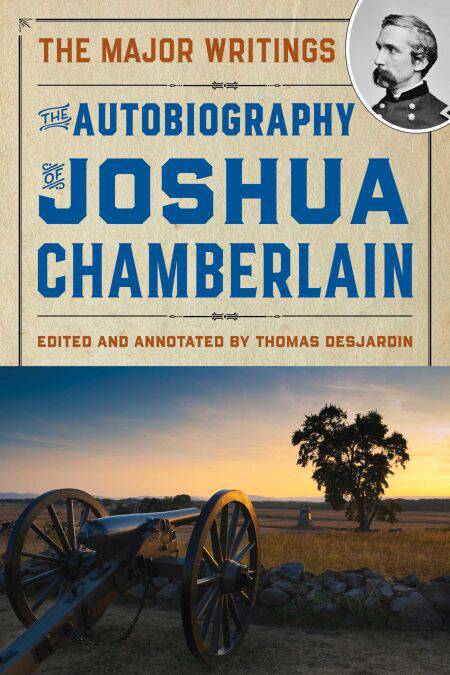
Joshua Chamberlain has become a pop culture icon and his regiment is now the most famous small military unit in American history. A major focus of The Killer Angels, the largest selling Civil War novel of all time, save Uncle Tom’s Cabin, and two major motion pictures, “Gettysburg” and “Gods and Generals,” the story of the 20th Maine has become legendary, particularly their effort to defend the Union Army’s position on Little Round Top at the Battle of Gettysburg.
According to filmmaker Ken Burns, it was the story of Chamberlain as told in the novel The Killer Angels that inspired him to create his masterpiece, nine-part documentary film, “The Civil War.”
In 1890s, at the encouragement of friends, Chamberlain wrote an autobiography covering his life from childhood to just before he joined the army in 1862. He stopped there, because by then he had written so many speeches and essays about his life in the army that there was no point in telling that part of his life story again.
Assembled here, and annotated, are that original 1890s manuscript along with essays he wrote about the three most significant battles of his military experience—Fredericksburg, Gettysburg, and Petersburg—as well as the story of the surrender ceremony for the Confederate Army at Appomattox which he commanded.
According to filmmaker Ken Burns, it was the story of Chamberlain as told in the novel The Killer Angels that inspired him to create his masterpiece, nine-part documentary film, “The Civil War.”
In 1890s, at the encouragement of friends, Chamberlain wrote an autobiography covering his life from childhood to just before he joined the army in 1862. He stopped there, because by then he had written so many speeches and essays about his life in the army that there was no point in telling that part of his life story again.
Assembled here, and annotated, are that original 1890s manuscript along with essays he wrote about the three most significant battles of his military experience—Fredericksburg, Gettysburg, and Petersburg—as well as the story of the surrender ceremony for the Confederate Army at Appomattox which he commanded.
Specificaties
Betrokkenen
- Auteur(s):
- Uitgeverij:
Inhoud
- Aantal bladzijden:
- 160
- Taal:
- Engels
Eigenschappen
- Productcode (EAN):
- 9781684752270
- Verschijningsdatum:
- 04/11/2024
- Uitvoering:
- E-book
- Beveiligd met:
- Adobe DRM
- Formaat:
- ePub


Alleen bij Standaard Boekhandel
+ 21 punten op je klantenkaart van Standaard Boekhandel
Cadeau

AANGERADEN


Beoordelingen
We publiceren alleen reviews die voldoen aan de voorwaarden voor reviews. Bekijk onze voorwaarden voor reviews.