


- Afhalen na 1 uur in een winkel met voorraad
- Gratis thuislevering in België vanaf € 30
- Ruim aanbod met 7 miljoen producten
- Afhalen na 1 uur in een winkel met voorraad
- Gratis thuislevering in België vanaf € 30
- Ruim aanbod met 7 miljoen producten





€ 24,95
+ 49 punten
Omschrijving
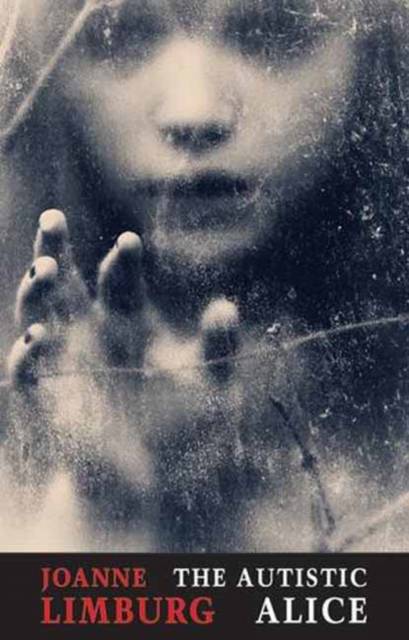
There are two acts of recovery in this book - one of a lost brother, and another of a lost self. Joanne Limburg commemorates both in her third collection, The Autistic Alice. In its title-sequence she uses Alice in Wonderland and Through the Looking-Glass to explore her own experiences as a girl and young woman. Growing up with undiagnosed Asperger's, she often identified with Alice, a logical and curious child adrift in an arbitrary world. Collaging lines and phrases drawn from the two Alice books, she creates a disturbingly effective language to express the nature, discomfort and alienation of autistic experiences. In her neurodiverse verse, a text can become a rabbit-hole to another world, or a mirror. The poems that make up the book's opening sequence, The Oxygen Man, originally published as a pamphlet, were written in response to the death of Limburg's younger brother, a brilliant chemist who took his own life in 2008. They follow her as she visits the mid-Western town where he lived, worked and died; range back over their shared childhood; and look ahead as she tries to work out what it means to be the one who stays behind.
Specificaties
Betrokkenen
- Auteur(s):
- Uitgeverij:
Inhoud
- Aantal bladzijden:
- 74
- Taal:
- Engels
Eigenschappen
- Productcode (EAN):
- 9781780373430
- Verschijningsdatum:
- 23/03/2017
- Uitvoering:
- Paperback
- Formaat:
- Trade paperback (VS)
- Afmetingen:
- 137 mm x 216 mm
- Gewicht:
- 136 g


Alleen bij Standaard Boekhandel
+ 49 punten op je klantenkaart van Standaard Boekhandel
Cadeau

AANGERADEN


Beoordelingen
We publiceren alleen reviews die voldoen aan de voorwaarden voor reviews. Bekijk onze voorwaarden voor reviews.