


- Afhalen na 1 uur in een winkel met voorraad
- Gratis thuislevering in België vanaf € 30
- Ruim aanbod met 7 miljoen producten
- Afhalen na 1 uur in een winkel met voorraad
- Gratis thuislevering in België vanaf € 30
- Ruim aanbod met 7 miljoen producten





€ 156,95
+ 313 punten
Eenvoudig bestellen
Veilig betalen


Gratis thuislevering vanaf € 30 (via bpost)
Gratis levering in je Standaard Boekhandel
Omschrijving
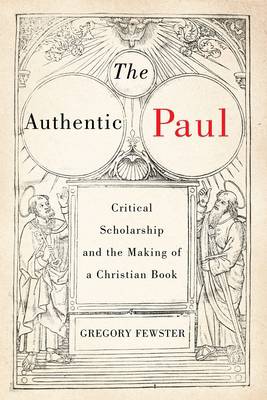
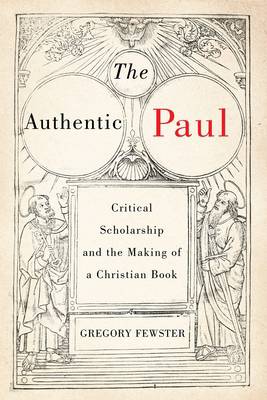
Written in the first century and compiled in the New Testament, the letters of the Apostle Paul have served as a reservoir of divine authority for Christians. Yet from the time of their writing, experts have claimed that some letters were altered or forged. Even after centuries, and generations of critical scholarship, an authentic book of Paul's letters lacks consensus.
The Authentic Paul traces the efforts of scholars, from antiquity to the modern period, who endeavoured to make an authoritative book of Paul's letters free from textual variation and forgery. Engaging recent trends in the study of religion and book history, it challenges one of philologists' fundamental assumptions: that authenticity is an inherent property of literature that can be recovered or destroyed. Gregory Fewster draws the philology of Paul, in both its ancient and modern forms, into the wider world of critical philology and its dynamic traditions of practice. Through analyses of ancient papyri and literary texts, early print journals, and critical editions, he shows how the value of authenticity is entangled with the ways that scholars assess Paul's legitimacy and their own amid dense literary landscapes and intellectual debates. The Authentic Paul illustrates in vibrant detail what it means - in a world full of texts - to make the letters of Paul authentic, and why practices of authentication are always culturally determined.Specificaties
Betrokkenen
- Auteur(s):
- Uitgeverij:
Inhoud
- Aantal bladzijden:
- 276
- Taal:
- Engels
- Reeks:
- Reeksnummer:
- nr. 5
Eigenschappen
- Productcode (EAN):
- 9780228024194
- Verschijningsdatum:
- 1/04/2025
- Uitvoering:
- Hardcover
- Formaat:
- Genaaid
- Afmetingen:
- 152 mm x 229 mm
- Gewicht:
- 408 g


Alleen bij Standaard Boekhandel
+ 313 punten op je klantenkaart van Standaard Boekhandel
CADEAU

AANGERADEN


Beoordelingen
We publiceren alleen reviews die voldoen aan de voorwaarden voor reviews. Bekijk onze voorwaarden voor reviews.