


- Afhalen na 1 uur in een winkel met voorraad
- Gratis thuislevering in België vanaf € 30
- Ruim aanbod met 7 miljoen producten
- Afhalen na 1 uur in een winkel met voorraad
- Gratis thuislevering in België vanaf € 30
- Ruim aanbod met 7 miljoen producten





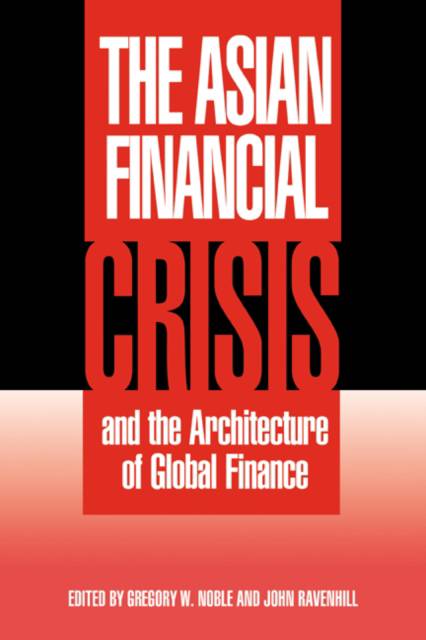
The Asian Financial Crisis and the Architecture of Global Finance
€ 201,95
+ 403 punten
Omschrijving
The financial crises across Asia in 1997-98 ignited fierce debate about domestic economic weaknesses and flaws in the international financial system. Some analysts blamed Asian governments for inadequate prudential supervision, widespread failures of corporate governance and even "crony capitalism." Others assailed the inherent instability of global financial markets and what they considered to be hasty and ill-conceived liberalization taken at the behest of western-dominated international financial institutions. In this volume a distinguished group of political scientists, economists, and practitioners examines the political and economic causes and consequences of the crisis. To what extent were domestic economic factors to blame for the crisis? Why were some economies more prone to crisis than others? What are the costs and benefits of international financial liberalization? Who bears the risks and the costs of measures taken to reduce them? And what are the prospects for reform of the International Monetary Fund, international banking standards, and foreign exchange systems?
Specificaties
Betrokkenen
- Uitgeverij:
Inhoud
- Aantal bladzijden:
- 328
- Taal:
- Engels
- Reeks:
Eigenschappen
- Productcode (EAN):
- 9780521790918
- Verschijningsdatum:
- 4/09/2000
- Uitvoering:
- Hardcover
- Formaat:
- Genaaid
- Afmetingen:
- 164 mm x 236 mm
- Gewicht:
- 625 g

Alleen bij Standaard Boekhandel
+ 403 punten op je klantenkaart van Standaard Boekhandel
Cadeau

AANGERADEN


Beoordelingen
We publiceren alleen reviews die voldoen aan de voorwaarden voor reviews. Bekijk onze voorwaarden voor reviews.