


- Afhalen na 1 uur in een winkel met voorraad
- Gratis thuislevering in België vanaf € 30
- Ruim aanbod met 7 miljoen producten
- Afhalen na 1 uur in een winkel met voorraad
- Gratis thuislevering in België vanaf € 30
- Ruim aanbod met 7 miljoen producten





€ 15,95
+ 31 punten
Omschrijving
"The highlights of 'Object Journeys' are three beautifully crafted medieval ewers (lidded jugs), which made the extraordinary journey from Europe to West Africa, eventually travelling to the royal palace in Kumasi (in modern Ghana), where they were looted by British soldiers in the Anglo-Asante wars of 1896 and 1900." - The Yorkshire Post
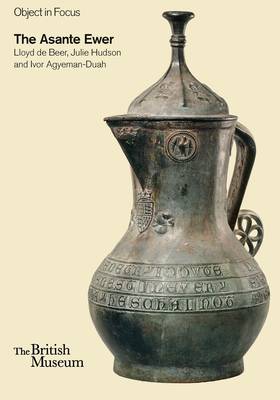
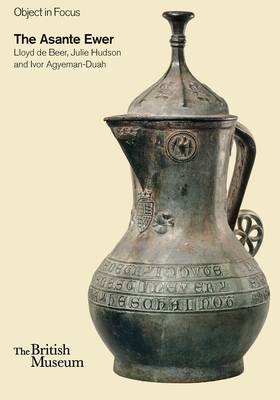
The fourteenth-century metal jug today popularly known as the Asante Ewer has a remarkable story. It was made in medieval England but transported to West Africa, possibly at some point between the fifteenth and seventeenth centuries. By the nineteenth century it was located in a courtyard associated with the royal palace of the Asantehene, the king of the Asante people in Kumasi, present-day Ghana. During widespread looting by British forces in the aftermath of the so- called Fourth Anglo-Asante War of 1896, the ewer was removed from the royal building and subsequently purchased by the British Museum.
This book includes a detailed close reading of the object itself, which is one of the finest examples of late medieval English bronze casting. It also explores the significance of the vessel in both European and African contexts - from the intricate medieval symbolism, linked to English royalty, that forms its decoration, to its potential connections with the trade in ivory and gold across the Sahara and the West African coast. Finally, this publication addresses collecting practices of the nineteenth century and their inextricable links with colonialism, as well as discussing how the ewer has historically been presented in a European context and is now being re-evaluated to include its African history.
The fourteenth-century metal jug today popularly known as the Asante Ewer has a remarkable story. It was made in medieval England but transported to West Africa, possibly at some point between the fifteenth and seventeenth centuries. By the nineteenth century it was located in a courtyard associated with the royal palace of the Asantehene, the king of the Asante people in Kumasi, present-day Ghana. During widespread looting by British forces in the aftermath of the so- called Fourth Anglo-Asante War of 1896, the ewer was removed from the royal building and subsequently purchased by the British Museum.
This book includes a detailed close reading of the object itself, which is one of the finest examples of late medieval English bronze casting. It also explores the significance of the vessel in both European and African contexts - from the intricate medieval symbolism, linked to English royalty, that forms its decoration, to its potential connections with the trade in ivory and gold across the Sahara and the West African coast. Finally, this publication addresses collecting practices of the nineteenth century and their inextricable links with colonialism, as well as discussing how the ewer has historically been presented in a European context and is now being re-evaluated to include its African history.
Specificaties
Betrokkenen
- Auteur(s):
- Uitgeverij:
Inhoud
- Aantal bladzijden:
- 72
- Taal:
- Engels
- Reeks:
Eigenschappen
- Productcode (EAN):
- 9780714138015
- Verschijningsdatum:
- 22/01/2026
- Uitvoering:
- Paperback
- Formaat:
- Trade paperback (VS)
- Afmetingen:
- 142 mm x 212 mm
- Gewicht:
- 181 g


Alleen bij Standaard Boekhandel
+ 31 punten op je klantenkaart van Standaard Boekhandel
Cadeau

AANGERADEN


Beoordelingen
We publiceren alleen reviews die voldoen aan de voorwaarden voor reviews. Bekijk onze voorwaarden voor reviews.