



Bedankt voor het vertrouwen het afgelopen jaar! Om jou te bedanken bieden we GRATIS verzending (in België) aan op alles gedurende de hele maand januari.
- Afhalen na 1 uur in een winkel met voorraad
- In januari gratis thuislevering in België
- Ruim aanbod met 7 miljoen producten
Bedankt voor het vertrouwen het afgelopen jaar! Om jou te bedanken bieden we GRATIS verzending (in België) aan op alles gedurende de hele maand januari.
- Afhalen na 1 uur in een winkel met voorraad
- In januari gratis thuislevering in België
- Ruim aanbod met 7 miljoen producten





Omschrijving
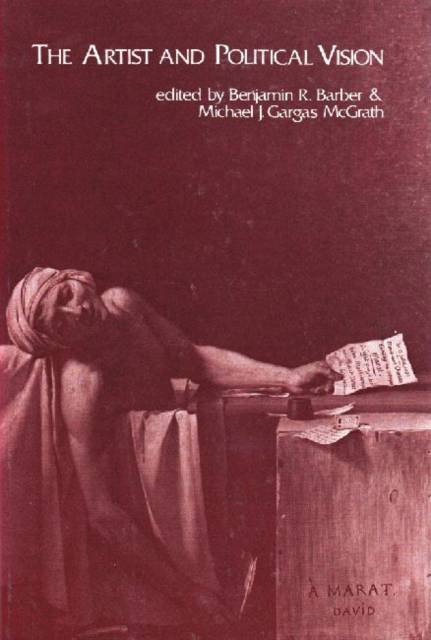
Art and politics are often regarded as denizens of different realms, but few artists have been comfortable with the notion of a purely aesthetic definition of art. The artist has a public and thus political vision of the world interpreted by his art no less than the statesman and the legislator have a creative vision of the world they wish to make.The sixteen original essays in this volume bear eloquent witness to this interpenetration of art and politics. Each confronts the intersection of the aesthetic and the social, each is concerned with the interface of poetic vision and political vision, of reflection and action. They take art in the broadest sense, ranging over poets, dramatists, novelists, essayists, and filmmakers. Their focus is on art and its political dilemmas, not simply on the artist. They consider the issues raised for politics and culture by alienation, violence, modernization, technology, democracy, progress, and revolution. And they debate the capacity of art to stimulate social change and incite revolution, the temptations of social control of culture and of political censorship, the uncertain relationship between art and history, the impact of economic structure on artistic creation and of economic class on artistic product, the common ground between art and legislation and between crea-tivitv and control.
Specificaties
Betrokkenen
- Auteur(s):
- Uitgeverij:
Inhoud
- Aantal bladzijden:
- 408
- Taal:
- Engels
Eigenschappen
- Productcode (EAN):
- 9780878553808
- Verschijningsdatum:
- 31/12/1981
- Uitvoering:
- Hardcover
- Formaat:
- Genaaid
- Gewicht:
- 680 g


Alleen bij Standaard Boekhandel
+ 251 punten op je klantenkaart van Standaard Boekhandel
SOLDEN


Beoordelingen
We publiceren alleen reviews die voldoen aan de voorwaarden voor reviews. Bekijk onze voorwaarden voor reviews.