


- Afhalen na 1 uur in een winkel met voorraad
- Gratis thuislevering in België vanaf € 30
- Ruim aanbod met 7 miljoen producten
- Afhalen na 1 uur in een winkel met voorraad
- Gratis thuislevering in België vanaf € 30
- Ruim aanbod met 7 miljoen producten





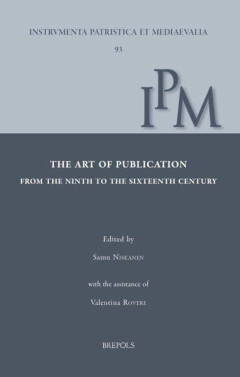
The Art of Publication from the Ninth to the Sixteenth Century
Samu Niskanen
€ 84,80
+ 169 punten
Omschrijving
Written transmission relies on the fact of 'publication', the step between the authorial process and reception. But what does 'publishing' mean in the context of a manuscript culture, in which books were copied slowly and singly by hand? This is a fundamental question. If one fails to appreciate the act of publication, one's understanding of any authorial work and its reception from any period will remain defective. The case studies in this volume ask what it meant for medieval and renaissance authors and their associates to publish. The contexts under scrutiny range from England to Italy, from hagiography to medicine, and from Carolingian monasteries to renaissance libraries. Medieval publishing remains undiscovered territory in the main. This volume constitutes a first effort towards a long-term narrative, from the eighth to the sixteenth century.
Specificaties
Betrokkenen
- Auteur(s):
- Uitgeverij:
Inhoud
- Aantal bladzijden:
- 416
- Taal:
- Engels
- Reeks:
- Reeksnummer:
- nr. 93
Eigenschappen
- Productcode (EAN):
- 9782503602967
- Verschijningsdatum:
- 27/10/2023
- Uitvoering:
- Hardcover
- Formaat:
- Genaaid
- Gewicht:
- 7887 g


Alleen bij Standaard Boekhandel
+ 169 punten op je klantenkaart van Standaard Boekhandel
Cadeau

AANGERADEN


Beoordelingen
We publiceren alleen reviews die voldoen aan de voorwaarden voor reviews. Bekijk onze voorwaarden voor reviews.