



Je cadeautjes zeker op tijd in huis hebben voor de feestdagen? Kom langs in onze winkels en vind het perfecte geschenk!
- Afhalen na 1 uur in een winkel met voorraad
- Gratis thuislevering in België vanaf € 30
- Ruim aanbod met 7 miljoen producten
Je cadeautjes zeker op tijd in huis hebben voor de feestdagen? Kom langs in onze winkels en vind het perfecte geschenk!
- Afhalen na 1 uur in een winkel met voorraad
- Gratis thuislevering in België vanaf € 30
- Ruim aanbod met 7 miljoen producten





€ 218,95
+ 437 punten
Omschrijving
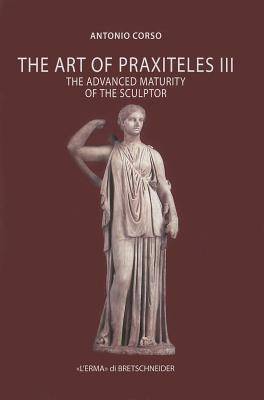
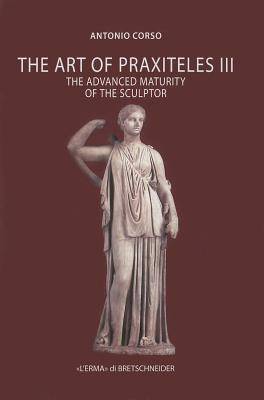
This book is focused on the advanced maturity of the famous Athenian sculptor Praxiteles, who flourished in the 4th c. BC. The following works of the artist are considered: the Triad of Leto, Apollo and Artemis at Megara; the statue of Leto protecting Meliboea, a young daughter of Niobe, at Argos; the group of Drunkenness with the Resting Satyr; the group of Niobe with the dying Niobids; the statues of Success and of Good Fortune; the Personification of late Summer; the statue of Eros at Messana in Sicily as well as a statue set up on Delos.
For the first time complete genealogical trees of all surviving copies and variations derived from these masterpieces are provided. The art of Praxiteles is understood in the context of the history of the time and is linked to developments in the realm of other visual arts as well as of philosophy and of literature.
Thus this study leads to a new and original interpretation of the greatest late classical Greek sculptor.
For the first time complete genealogical trees of all surviving copies and variations derived from these masterpieces are provided. The art of Praxiteles is understood in the context of the history of the time and is linked to developments in the realm of other visual arts as well as of philosophy and of literature.
Thus this study leads to a new and original interpretation of the greatest late classical Greek sculptor.
Specificaties
Betrokkenen
- Auteur(s):
- Uitgeverij:
Inhoud
- Aantal bladzijden:
- 176
- Taal:
- Engels
Eigenschappen
- Productcode (EAN):
- 9788882655754
- Verschijningsdatum:
- 31/12/2010
- Uitvoering:
- Hardcover
- Formaat:
- Genaaid
- Afmetingen:
- 170 mm x 241 mm
- Gewicht:
- 657 g


Alleen bij Standaard Boekhandel
+ 437 punten op je klantenkaart van Standaard Boekhandel
CADEAU


Beoordelingen
We publiceren alleen reviews die voldoen aan de voorwaarden voor reviews. Bekijk onze voorwaarden voor reviews.