


- Afhalen na 1 uur in een winkel met voorraad
- Gratis thuislevering in België vanaf € 30
- Ruim aanbod met 7 miljoen producten
- Afhalen na 1 uur in een winkel met voorraad
- Gratis thuislevering in België vanaf € 30
- Ruim aanbod met 7 miljoen producten






€ 11,99
+ 11 punten
Omschrijving
I have lived several lives in one lifetime.
I am the woman from the attack.
The woman who lost her child.
My husband lost his legs. I lost him to paranoia and madness.
I became the woman from television and tabloid headlines —
the one with the distant face, hiding devastation behind strength.
A face carved from stone.
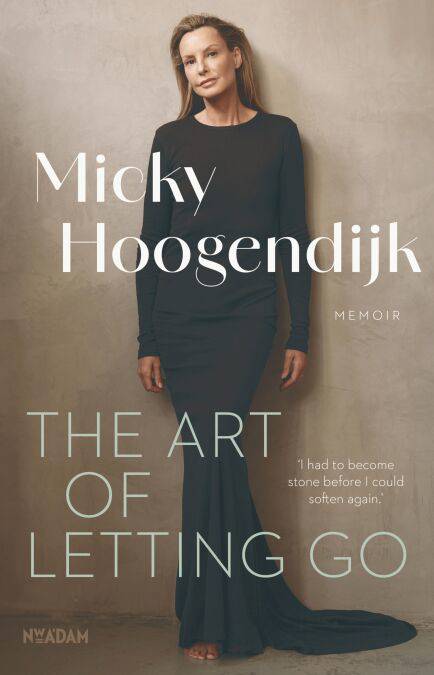
I had to become stone before I could soften again.
I am Micky Hoogendijk.
In The Art of Letting Go, Micky Hoogendijk reflects on a life shaped by art, love, loss, and survival. With striking honesty, she writes about grief, public scrutiny, destructive relationships, and the repeated necessity of reinventing herself when everything familiar fell apart.
Moving between Europe, Japan, and the United States, between intimacy and isolation, Hoogendijk explores what it means to lose not only the people you love, but also the versions of yourself you once believed in.
This is a story about starting over, again and again. About discovering that starting over is sometimes not a choice, but a necessity. And that letting go is not about forgetting, but about learning to live with what remains.
Without self-pity or sentimentality, Hoogendijk reveals how transformation is born from devastation, and how even after profound loss, life continues to ask us to begin anew.
I am the woman from the attack.
The woman who lost her child.
My husband lost his legs. I lost him to paranoia and madness.
I became the woman from television and tabloid headlines —
the one with the distant face, hiding devastation behind strength.
A face carved from stone.
I had to become stone before I could soften again.
I am Micky Hoogendijk.
In The Art of Letting Go, Micky Hoogendijk reflects on a life shaped by art, love, loss, and survival. With striking honesty, she writes about grief, public scrutiny, destructive relationships, and the repeated necessity of reinventing herself when everything familiar fell apart.
Moving between Europe, Japan, and the United States, between intimacy and isolation, Hoogendijk explores what it means to lose not only the people you love, but also the versions of yourself you once believed in.
This is a story about starting over, again and again. About discovering that starting over is sometimes not a choice, but a necessity. And that letting go is not about forgetting, but about learning to live with what remains.
Without self-pity or sentimentality, Hoogendijk reveals how transformation is born from devastation, and how even after profound loss, life continues to ask us to begin anew.
Specificaties
Betrokkenen
- Auteur(s):
- Vertaler(s):
- Uitgeverij:
Inhoud
- Aantal bladzijden:
- 240
- Taal:
- Engels
Eigenschappen
- Productcode (EAN):
- 9789046836798
- Verschijningsdatum:
- 10/06/2026
- Uitvoering:
- E-book
- Beveiligd met:
- Digital watermarking
- Formaat:
- ePub



Alleen bij Standaard Boekhandel
+ 11 punten op je klantenkaart van Standaard Boekhandel
CADEAU

AANGERADEN


Beoordelingen
We publiceren alleen reviews die voldoen aan de voorwaarden voor reviews. Bekijk onze voorwaarden voor reviews.