



Je cadeautjes zeker op tijd in huis hebben voor de feestdagen? Kom langs in onze winkels en vind het perfecte geschenk!
- Afhalen na 1 uur in een winkel met voorraad
- Gratis thuislevering in België vanaf € 30
- Ruim aanbod met 7 miljoen producten
Je cadeautjes zeker op tijd in huis hebben voor de feestdagen? Kom langs in onze winkels en vind het perfecte geschenk!
- Afhalen na 1 uur in een winkel met voorraad
- Gratis thuislevering in België vanaf € 30
- Ruim aanbod met 7 miljoen producten





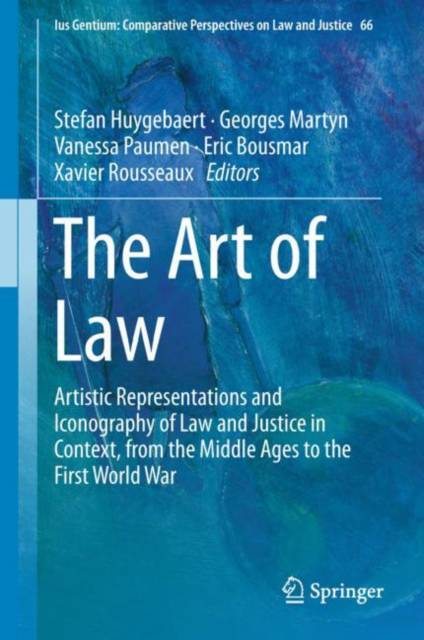
The Art of Law
Artistic Representations and Iconography of Law and Justice in Context, from the Middle Ages to the First World War
Huygebaert Stefan
€ 256,45
+ 512 punten
Omschrijving
The contributions to this volume were written by historians, legal historians and art historians, each using his or her own methods and sources, but all concentrating on topics from the broad subject of historical legal iconography. How have the concepts of law and justice been represented in (public) art from the Late Middle Ages onwards? Justices and rulers had their courtrooms, but also churches, decorated with inspiring images. At first, the religious influence was enormous, but starting with the Early Modern Era, new symbols and allegories began appearing. Throughout history, art has been used to legitimise the act of judging, but artists have also satirised the law and the lawyers; architects and artisans have engaged in juridical and judicial projects and, in some criminal cases, convicts have even been sentenced to produce works of art. The book illustrates and contextualises the various interactions between law and justice on the one hand, and their artistic representations inpaintings, statues, drawings, tapestries, prints and books on the other.
Specificaties
Betrokkenen
- Auteur(s):
- Uitgeverij:
Inhoud
- Aantal bladzijden:
- 458
- Taal:
- Engels
- Reeks:
- Reeksnummer:
- nr. 66
Eigenschappen
- Productcode (EAN):
- 9783319907864
- Verschijningsdatum:
- 10/10/2018
- Uitvoering:
- Hardcover
- Afmetingen:
- 158 mm x 243 mm
- Gewicht:
- 918 g



Alleen bij Standaard Boekhandel
+ 512 punten op je klantenkaart van Standaard Boekhandel
CADEAU


Beoordelingen
We publiceren alleen reviews die voldoen aan de voorwaarden voor reviews. Bekijk onze voorwaarden voor reviews.