


- Afhalen na 1 uur in een winkel met voorraad
- Gratis thuislevering in België vanaf € 30
- Ruim aanbod met 7 miljoen producten
- Afhalen na 1 uur in een winkel met voorraad
- Gratis thuislevering in België vanaf € 30
- Ruim aanbod met 7 miljoen producten




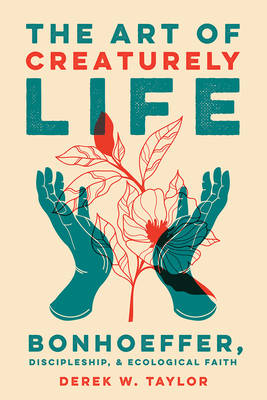
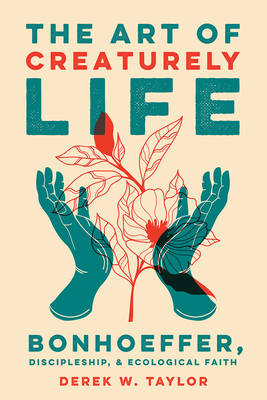
The Art of Creaturely Life
Bonhoeffer, Discipleship, and Ecological Faith
Derek W Taylor
Paperback | Engels
€ 41,95
+ 83 punten
Omschrijving
"How will the coming generations go on living?" This haunting question, posed by Dietrich Bonhoeffer during the darkest days of World War II, takes on fresh urgency in our age of climate crisis. Today, under its long shadow, we find ourselves gripped by the same uncertainty Bonhoeffer knew well.
In The Art of Creaturely Life, Derek W. Taylor shows how Bonhoeffer's theology, forged within his context of crisis, offers resources for navigating our own. At its heart lies a vision of God's creative and redemptive grace. The future rests in God's hands. Rather than leading to apathy or defeatism, this realization opens new avenues of human responsibility. If God is the Creator, we are freed to be mere creatures.
Jesus of Nazareth leads the way. In his life of authentic human creatureliness, creation itself is healed. To follow him is to step into new creation. Discipleship therefore calls us to turn from destructive, god-like ambitions and instead embrace the dependence, humility, limitedness, attentiveness, delight, and hope that mark our creaturely form. In walking the path of Jesus, we relearn the art of creaturely life.
What emerges is a work of resistance--not against ecological degradation itself, but against the distorted vision of humanity that drives it. By placing Bonhoeffer in dialogue with other disciplines--from ecotheology and agrarianism to existential philosophy and postcolonial studies--this book cultivates the theological imagination needed to sustain a life of creaturely resistance in a time when creation's groaning seems louder than ever.
Specificaties
Betrokkenen
- Auteur(s):
- Uitgeverij:
Inhoud
- Aantal bladzijden:
- 155
- Taal:
- Engels
Eigenschappen
- Productcode (EAN):
- 9781506484273
- Verschijningsdatum:
- 29/09/2026
- Uitvoering:
- Paperback
- Formaat:
- Trade paperback (VS)
- Afmetingen:
- 152 mm x 229 mm
- Gewicht:
- 317 g


Alleen bij Standaard Boekhandel
+ 83 punten op je klantenkaart van Standaard Boekhandel
Cadeau

AANGERADEN


Beoordelingen
We publiceren alleen reviews die voldoen aan de voorwaarden voor reviews. Bekijk onze voorwaarden voor reviews.