


- Afhalen na 1 uur in een winkel met voorraad
- Gratis thuislevering in België vanaf € 30
- Ruim aanbod met 7 miljoen producten
- Afhalen na 1 uur in een winkel met voorraad
- Gratis thuislevering in België vanaf € 30
- Ruim aanbod met 7 miljoen producten





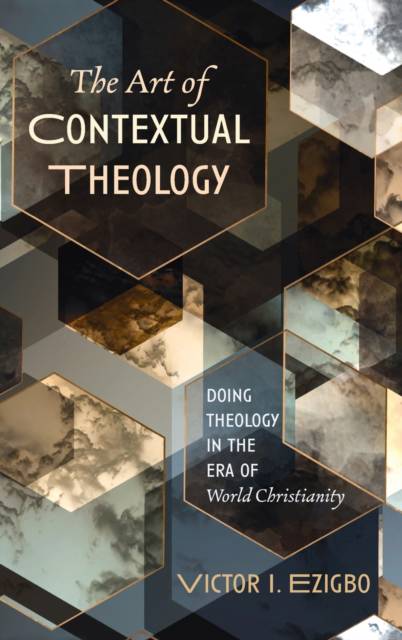
The Art of Contextual Theology
Doing Theology in the Era of World Christianity
Victor I Ezigbo
Hardcover | Engels
€ 65,45
+ 130 punten
Uitvoering
Omschrijving
Christianity has an inherent capability to assume, as its novel mode of expression, the local idioms, customs, and thought forms of a new cultural frontier that it encounters. As a result, Christianity has become multicultural and multilingual. What is the role of theology in the imagination and articulation of Christianity's inherent multiculturalism and multi-vernacularity? Victor Ezigbo examines this question by exploring the nature and practice of contextual theology. To accomplish this task, this book engages the main genres of contextual theology, explores echoes of contextual theological thinking in some of Jesus's sayings, and discusses insights into contextual theology that can be discerned in the discourses on theology and caste relations (Dalit theology), theology and primal cultures (African theology), and theology and poverty (Latin American liberation theology).
Specificaties
Betrokkenen
- Auteur(s):
- Uitgeverij:
Inhoud
- Aantal bladzijden:
- 246
- Taal:
- Engels
Eigenschappen
- Productcode (EAN):
- 9781725259294
- Verschijningsdatum:
- 28/05/2021
- Uitvoering:
- Hardcover
- Formaat:
- Genaaid
- Afmetingen:
- 152 mm x 229 mm
- Gewicht:
- 530 g


Alleen bij Standaard Boekhandel
+ 130 punten op je klantenkaart van Standaard Boekhandel
Cadeau

AANGERADEN


Beoordelingen
We publiceren alleen reviews die voldoen aan de voorwaarden voor reviews. Bekijk onze voorwaarden voor reviews.