


- Afhalen na 1 uur in een winkel met voorraad
- Gratis thuislevering in België vanaf € 30
- Ruim aanbod met 7 miljoen producten
- Afhalen na 1 uur in een winkel met voorraad
- Gratis thuislevering in België vanaf € 30
- Ruim aanbod met 7 miljoen producten





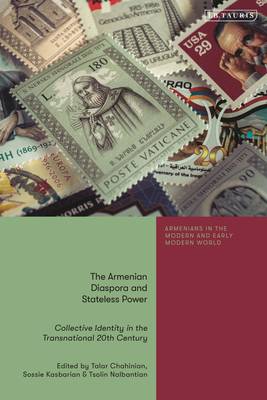
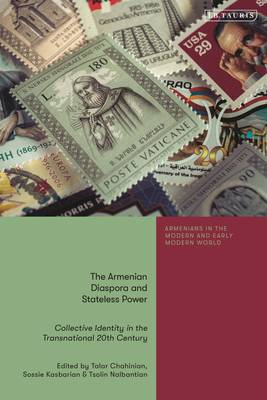
The Armenian Diaspora and Stateless Power
Collective Identity in the Transnational 20th Century
€ 36,95
+ 73 punten
Omschrijving
From genocide, forced displacement, and emigration, to the gradual establishment of sedentary and rooted global communities, how has the Armenian diaspora formed and maintained a sense of collective identity? This book explores the richness and magnitude of the Armenian experience through the 20th century to examine how Armenian diaspora elites and their institutions emerged in the post-genocide period and used "stateless power" to compose forms of social discipline. Historians, cultural theorists, literary critics, sociologists, political scientists, and anthropologists explore how national and transnational institutions were built in far-flung sites from Istanbul, Aleppo, Beirut and Jerusalem to Paris, Los Angeles, and the American mid-west. Exploring literary and cultural production as well as the role of religious institutions, the book probes the history and experience of the Armenian diaspora through the long 20th century, from the role of the fin-de-siècle émigré Armenian press to the experience of Syrian-Armenian asylum seekers in the 21st century. It shows that a diaspora's statelessness can not only be evidence of its power, but also how this "stateless power" acts as an alternative and complement to the nation-state.
Specificaties
Betrokkenen
- Uitgeverij:
Inhoud
- Aantal bladzijden:
- 328
- Taal:
- Engels
- Reeks:
Eigenschappen
- Productcode (EAN):
- 9780755648214
- Verschijningsdatum:
- 30/11/2023
- Uitvoering:
- Paperback
- Formaat:
- Trade paperback (VS)
- Afmetingen:
- 156 mm x 234 mm
- Gewicht:
- 453 g

Alleen bij Standaard Boekhandel
+ 73 punten op je klantenkaart van Standaard Boekhandel
Cadeau

AANGERADEN


Beoordelingen
We publiceren alleen reviews die voldoen aan de voorwaarden voor reviews. Bekijk onze voorwaarden voor reviews.