


- Afhalen na 1 uur in een winkel met voorraad
- Gratis thuislevering in België vanaf € 30
- Ruim aanbod met 7 miljoen producten
- Afhalen na 1 uur in een winkel met voorraad
- Gratis thuislevering in België vanaf € 30
- Ruim aanbod met 7 miljoen producten





€ 2,99
+ 2 punten
Eenvoudig bestellen
Veilig betalen


Onmiddellijk geleverd via e-mail
Omschrijving
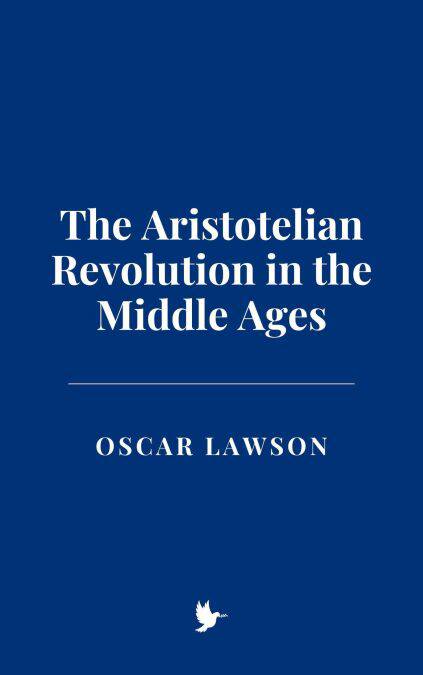
This book traces the profound and enduring influence of Aristotle's philosophy from the ancient world to the early modern period, exploring how his ideas have shaped the intellectual landscape across millennia. Beginning with the early foundations of Aristotelian thought in ancient Greece, the narrative moves through the Roman and medieval periods, highlighting how Aristotle's works were preserved, interpreted, and integrated into Christian theology and scholasticism. In the Middle Ages, Aristotelian philosophy became central to the development of Western philosophy, influencing figures like Thomas Aquinas and guiding the intellectual debates of the time.
As the Renaissance unfolded, Aristotle's influence began to wane as humanist thinkers sought to revive the ideals of classical antiquity and challenge the scholastic system. The rise of the scientific revolution in the 16th and 17th centuries, led by figures like Copernicus, Galileo, and Newton, marked a decisive shift away from Aristotelian natural philosophy, particularly in the fields of cosmology and physics. Nevertheless, Aristotle's ideas persisted, especially in logic, ethics, and political theory, where they were reinterpreted and adapted by thinkers like Kant, Hobbes, and Rawls.
The Enlightenment saw the gradual decline of Aristotelianism as the dominant intellectual framework, with thinkers like Descartes, Locke, and Rousseau ushering in new paradigms of reason, individualism, and scientific inquiry. Yet, even as Aristotle's metaphysical and scientific theories gave way to modern thought, his legacy remained strong in the development of moral philosophy, political theory, and logic. The resurgence of Aristotelian ethics in the 20th century, particularly through the work of Alasdair MacIntyre, has reaffirmed the enduring relevance of Aristotle's moral philosophy in contemporary debates about virtue, the good life, and the role of reason in human flourishing.
In conclusion, this book demonstrates that Aristotle's influence on Western thought, while subject to challenge and transformation, continues to be foundational in numerous fields. His work provided the intellectual tools that not only defined medieval scholasticism but also shaped the development of modern science, ethics, and politics, ensuring that his legacy remains a central element of philosophical and scientific inquiry into the present day.
Specificaties
Betrokkenen
- Auteur(s):
- Uitgeverij:
Inhoud
- Taal:
- Engels
Eigenschappen
- Productcode (EAN):
- 9798230236955
- Verschijningsdatum:
- 31/01/2025
- Uitvoering:
- E-book
- Formaat:
- ePub


Alleen bij Standaard Boekhandel
+ 2 punten op je klantenkaart van Standaard Boekhandel
CADEAU

AANGERADEN


Beoordelingen
We publiceren alleen reviews die voldoen aan de voorwaarden voor reviews. Bekijk onze voorwaarden voor reviews.