


- Afhalen na 1 uur in een winkel met voorraad
- Gratis thuislevering in België vanaf € 30
- Ruim aanbod met 7 miljoen producten
- Afhalen na 1 uur in een winkel met voorraad
- Gratis thuislevering in België vanaf € 30
- Ruim aanbod met 7 miljoen producten





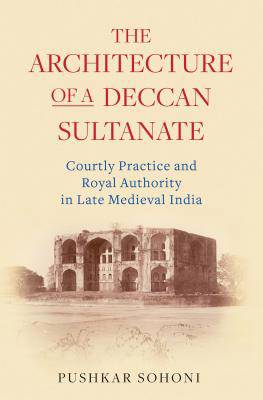
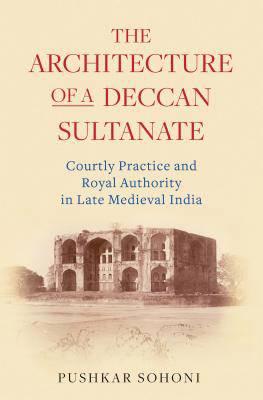
The Architecture of a Deccan Sultanate
Courtly Practice and Royal Authority in Late Medieval India
Pushkar Sohoni
€ 254,45
+ 508 punten
Uitvoering
Omschrijving
The Deccan sultans left a grand architectural and artistic legacy. They commissioned palaces, mosques, gardens and tombs as well as decorative paintings and coins. Of these sultanates, the Nizam Shahs (r. 1490-1636) were particularly significant, being one of the first to emerge from the crumbling edifice of the Bahmani Empire (c. 1347-1527). Yet their rich material record remains largely unstudied in the scholarly literature, obscuring their cultural and historical importance. This book provides the first analysis of the architecture of the Nizam Shahs. Pushkar Sohoni examines the critical relationship between architectural production, courtly practice and royal authority in a period when the aspirations and politics of the kingdom were articulated through architectural expression. Based on new primary research from key sites including the urban settlements of Ahmadnagar, Daulatabad, Aurangabad, Junnar and the port city of Chaul, Sohoni sheds light on broader Islamicate ideas of kingship and shows how this was embodied by material artefacts such as buildings and sites, paintings, gardens, guns and coins.
As well as offering a vivid depiction of sixteenth-century South Asia, this book revises understanding of the cultural importance of the Nizam Shahs and their place in the Indian Ocean world. It will be a vital primary resource for scholars researching the history of the medieval and early modern Deccan and relevant for those working in Art History, Islamic Studies, South Asian Studies and Archaeology.
As well as offering a vivid depiction of sixteenth-century South Asia, this book revises understanding of the cultural importance of the Nizam Shahs and their place in the Indian Ocean world. It will be a vital primary resource for scholars researching the history of the medieval and early modern Deccan and relevant for those working in Art History, Islamic Studies, South Asian Studies and Archaeology.
Specificaties
Betrokkenen
- Auteur(s):
- Uitgeverij:
Inhoud
- Aantal bladzijden:
- 320
- Taal:
- Engels
- Reeks:
Eigenschappen
- Productcode (EAN):
- 9781784537944
- Verschijningsdatum:
- 30/10/2018
- Uitvoering:
- Hardcover
- Formaat:
- Genaaid
- Afmetingen:
- 145 mm x 218 mm
- Gewicht:
- 680 g


Alleen bij Standaard Boekhandel
+ 508 punten op je klantenkaart van Standaard Boekhandel
Cadeau

AANGERADEN


Beoordelingen
We publiceren alleen reviews die voldoen aan de voorwaarden voor reviews. Bekijk onze voorwaarden voor reviews.