


- Afhalen na 1 uur in een winkel met voorraad
- Gratis thuislevering in België vanaf € 30
- Ruim aanbod met 7 miljoen producten
- Afhalen na 1 uur in een winkel met voorraad
- Gratis thuislevering in België vanaf € 30
- Ruim aanbod met 7 miljoen producten





€ 114,95
+ 229 punten
Uitvoering
Eenvoudig bestellen
Veilig betalen


Gratis thuislevering vanaf € 30 (via bpost)
Gratis levering in je Standaard Boekhandel
Omschrijving
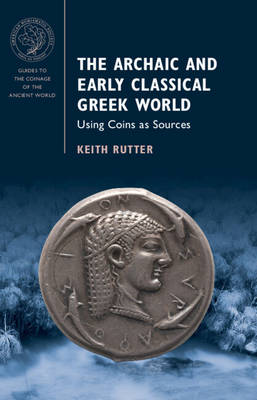
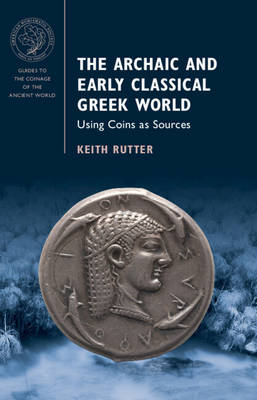
The western tradition of coinage began in Asia Minor around 650 BCE and from there the idea spread quite rapidly to other parts of the Mediterranean. This book describes and evaluates developments in coinage down to the middle of the fifth century. Early coinage was not monolithic. The new medium of exchange proved attractive to a variety of rulers and societies - kings, dynasts, tribes, city-states with varying forms of governance. The physical characteristics of the coins produced were another source of difference. Initially there was no fixed idea of what a coin should look like, and there were several experiments before a consensus emerged around a small, circular metal object with a design, or type, on both sides. This book provides students with an authoritative introduction, with all technical terms and methodologies explained, as well as illustrations of over 200 important coins with detailed captions.
Specificaties
Betrokkenen
- Auteur(s):
- Uitgeverij:
Inhoud
- Aantal bladzijden:
- 290
- Taal:
- Engels
- Reeks:
Eigenschappen
- Productcode (EAN):
- 9781009434041
- Verschijningsdatum:
- 31/07/2026
- Uitvoering:
- Hardcover
- Formaat:
- Genaaid
- Gewicht:
- 500 g


Alleen bij Standaard Boekhandel
+ 229 punten op je klantenkaart van Standaard Boekhandel
CADEAU

AANGERADEN


Beoordelingen
We publiceren alleen reviews die voldoen aan de voorwaarden voor reviews. Bekijk onze voorwaarden voor reviews.