


- Afhalen na 1 uur in een winkel met voorraad
- Gratis thuislevering in België vanaf € 30
- Ruim aanbod met 7 miljoen producten
- Afhalen na 1 uur in een winkel met voorraad
- Gratis thuislevering in België vanaf € 30
- Ruim aanbod met 7 miljoen producten





Omschrijving
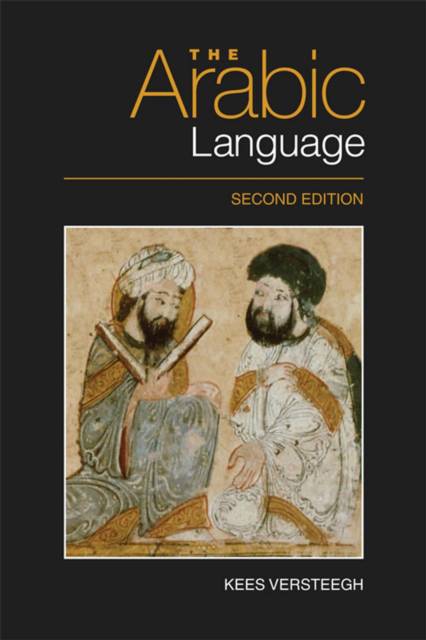
Covering all aspects of the history of Arabic, the Arabic linguistic tradition, Arabic dialects, sociolinguistics and Arabic as a world language, this introductory guide is perfect for students of Arabic, Arabic historical linguistics and Arabic sociolinguistics. Concentrating on the difference between the two types of Arabic - the classical standard language and the dialects - Kees Versteegh charts the history and development of the Arabic language from its earliest beginnings to modern times. Students will gain a solid grounding in the structure of the language, its historical context and its use in various literary and non-literary genres, as well as an understanding of the role of Arabic as a cultural, religious and political world language. New for this edition: additional chapters on the structure of Arabic, Bilingualism and Arabic pidgins and creoles; a full explanation of the use of conventional Arabic transcription and IPA characters; an updated bibliography and all chapters have been revised and updated in light of recent research.
Specificaties
Betrokkenen
- Auteur(s):
- Uitgeverij:
Inhoud
- Aantal bladzijden:
- 416
- Taal:
- Engels
Eigenschappen
- Productcode (EAN):
- 9780748645275
- Verschijningsdatum:
- 20/05/2014
- Uitvoering:
- Paperback
- Formaat:
- Trade paperback (VS)
- Afmetingen:
- 155 mm x 231 mm
- Gewicht:
- 589 g


Alleen bij Standaard Boekhandel
+ 106 punten op je klantenkaart van Standaard Boekhandel
Cadeau

AANGERADEN


Beoordelingen
We publiceren alleen reviews die voldoen aan de voorwaarden voor reviews. Bekijk onze voorwaarden voor reviews.