


- Afhalen na 1 uur in een winkel met voorraad
- Gratis thuislevering in België vanaf € 30
- Ruim aanbod met 7 miljoen producten
- Afhalen na 1 uur in een winkel met voorraad
- Gratis thuislevering in België vanaf € 30
- Ruim aanbod met 7 miljoen producten





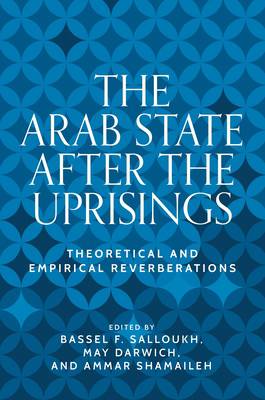
The Arab State After the Uprisings
Theoretical and Empirical Reverberations
€ 155,45
+ 310 punten
Eenvoudig bestellen
Veilig betalen


Gratis thuislevering vanaf € 30 (via bpost)
Gratis levering in je Standaard Boekhandel
Omschrijving
More than a decade after the uprisings, the Arab state is not the same. These uprisings revealed novel challenges to statehood and raised theoretical and empirical questions about the Arab state. Bringing together a wide range of scholars who have significant ties to the region, this volume presents unique scholarly voices and centers regional perspectives in its exploration of these themes. The first section of the book cultivates an understanding of the state, its formation and reformation in the region, while being unshackled by the strict constraints and assumptions underlying Western theories of state formation. The second section is dedicated to empirically examining changes to the state in the aftermath of the uprisings, broadly covering the institutional, social, economic, and political ramifications on the state. The authors tackle a wide variety of topics that explore how the uprisings impacted regimes and the structure of rule, economic relationships, social dynamics, and the state's role in international relations.
Specificaties
Betrokkenen
- Uitgeverij:
Inhoud
- Aantal bladzijden:
- 272
- Taal:
- Engels
- Reeks:
Eigenschappen
- Productcode (EAN):
- 9781526193650
- Verschijningsdatum:
- 6/10/2026
- Uitvoering:
- Hardcover
- Formaat:
- Genaaid
- Afmetingen:
- 156 mm x 234 mm

Alleen bij Standaard Boekhandel
+ 310 punten op je klantenkaart van Standaard Boekhandel
CADEAU

AANGERADEN


Beoordelingen
We publiceren alleen reviews die voldoen aan de voorwaarden voor reviews. Bekijk onze voorwaarden voor reviews.