


- Afhalen na 1 uur in een winkel met voorraad
- Gratis thuislevering in België vanaf € 30
- Ruim aanbod met 7 miljoen producten
- Afhalen na 1 uur in een winkel met voorraad
- Gratis thuislevering in België vanaf € 30
- Ruim aanbod met 7 miljoen producten





€ 79,50
+ 159 punten
Omschrijving
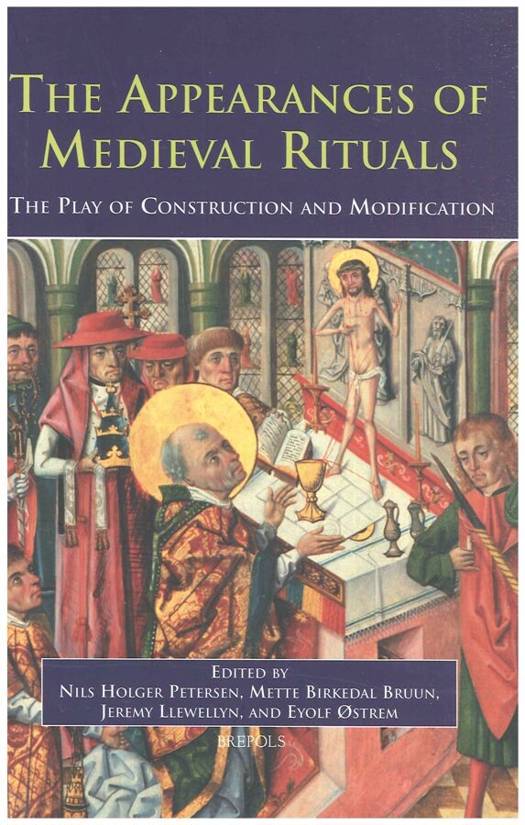
Appearances can be deceptive; and medieval ritual practices are in this respect no exception. They perform stability through the codification of repetitive modes of behaviour and simultaneously admit flexibility in their integration of newer forms of representation. They mask the historical contingencies of their own creation and construct alternative narratives of authority and continuity. They do not simply appear; their appearance reflects the mutual interplay of construction and modification. This collection of eleven essays - which chronologically spans the period from the Carolingians to the Catholic Reform movement of the later sixteenth century - explores this double-edged potential in the appearance of medieval ritual practices; and, in this case, chiefly church rituals. It comprises a series of individual studies by scholars of literature, theology, music, and the visual arts. Each study examines a particular moment of change or transformation in ritual practices, illuminating, thereby, processes of ritualization. In this way, the book both provides an impulse to the recent renewal of methodological interest in ritual studies and presents individual contributions to specific scholarly discourses within this broad area.
Specificaties
Betrokkenen
- Auteur(s):
- Uitgeverij:
Inhoud
- Aantal bladzijden:
- 233
- Taal:
- Engels
- Reeks:
- Reeksnummer:
- nr. 3
Eigenschappen
- Productcode (EAN):
- 9782503515137
- Verschijningsdatum:
- 25/01/2005
- Uitvoering:
- Hardcover
- Formaat:
- Genaaid
- Afmetingen:
- 167 mm x 247 mm
- Gewicht:
- 571 g



Alleen bij Standaard Boekhandel
+ 159 punten op je klantenkaart van Standaard Boekhandel
Cadeau

AANGERADEN


Beoordelingen
We publiceren alleen reviews die voldoen aan de voorwaarden voor reviews. Bekijk onze voorwaarden voor reviews.