


- Afhalen na 1 uur in een winkel met voorraad
- Gratis thuislevering in België vanaf € 30
- Ruim aanbod met 7 miljoen producten
- Afhalen na 1 uur in een winkel met voorraad
- Gratis thuislevering in België vanaf € 30
- Ruim aanbod met 7 miljoen producten





€ 67,95
+ 135 punten
Uitvoering
Omschrijving
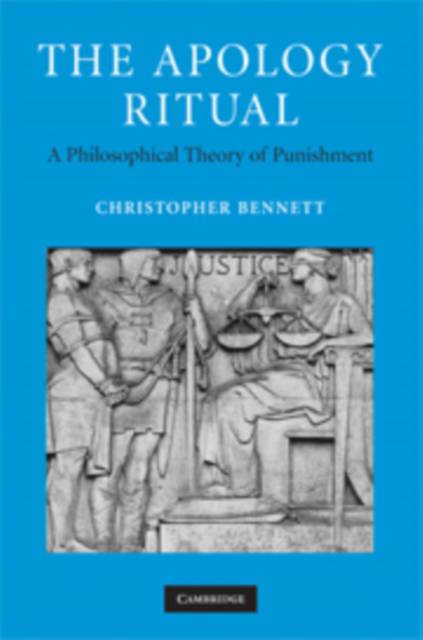
Christopher Bennett presents a theory of punishment grounded in the practice of apology, and in particular in reactions such as feeling sorry and making amends. He argues that offenders have a 'right to be punished' - that it is part of taking an offender seriously as a member of a normatively demanding relationship (such as friendship or collegiality or citizenship) that she is subject to retributive attitudes when she violates the demands of that relationship. However, while he claims that punishment and the retributive attitudes are the necessary expression of moral condemnation, his account of these reactions has more in common with restorative justice than traditional retributivism. He argues that the most appropriate way to react to crime is to require the offender to make proportionate amends. His book is a rich and intriguing contribution to the debate over punishment and restorative justice.
Specificaties
Betrokkenen
- Auteur(s):
- Uitgeverij:
Inhoud
- Aantal bladzijden:
- 222
- Taal:
- Engels
Eigenschappen
- Productcode (EAN):
- 9780521174008
- Verschijningsdatum:
- 30/09/2010
- Uitvoering:
- Paperback
- Formaat:
- Trade paperback (VS)
- Afmetingen:
- 152 mm x 229 mm
- Gewicht:
- 331 g


Alleen bij Standaard Boekhandel
+ 135 punten op je klantenkaart van Standaard Boekhandel
Cadeau

AANGERADEN


Beoordelingen
We publiceren alleen reviews die voldoen aan de voorwaarden voor reviews. Bekijk onze voorwaarden voor reviews.