


- Afhalen na 1 uur in een winkel met voorraad
- Gratis thuislevering in België vanaf € 30
- Ruim aanbod met 7 miljoen producten
- Afhalen na 1 uur in een winkel met voorraad
- Gratis thuislevering in België vanaf € 30
- Ruim aanbod met 7 miljoen producten





€ 41,95
+ 83 punten
Uitvoering
Eenvoudig bestellen
Veilig betalen


Gratis thuislevering vanaf € 30 (via bpost)
Gratis levering in je Standaard Boekhandel
Omschrijving
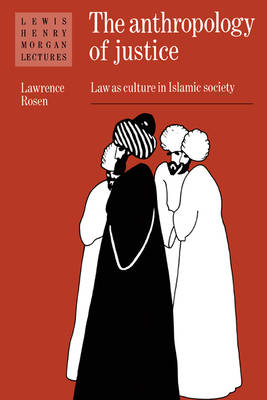
In this first full-scale study of the operations of a modern Islamic court of law in the Arabic-speaking world, the author examines the cultural foundations of judicial discretion. He shows how the analysis of legal systems requires an understanding of the concepts and relationships encountered in everyday life. Using the Islamic courts of Morocco as its substantive base, he demonstrates how the shaping of facts in a court of law, the use of local experts, and the organization of the judicial structure all contribute to the reliance on local concepts and personnel to inform the range of judicial discretion. By drawing comparisons with Anglo-American law, the author demonstrates that in both societies, it is necessary to view law as integral to culture and culture as indispensable to law.
Specificaties
Betrokkenen
- Auteur(s):
- Uitgeverij:
Inhoud
- Aantal bladzijden:
- 132
- Taal:
- Engels
- Reeks:
Eigenschappen
- Productcode (EAN):
- 9780521367400
- Verschijningsdatum:
- 15/06/1989
- Uitvoering:
- Paperback
- Formaat:
- Trade paperback (VS)
- Afmetingen:
- 152 mm x 229 mm
- Gewicht:
- 204 g


Alleen bij Standaard Boekhandel
+ 83 punten op je klantenkaart van Standaard Boekhandel
CADEAU

AANGERADEN


Beoordelingen
We publiceren alleen reviews die voldoen aan de voorwaarden voor reviews. Bekijk onze voorwaarden voor reviews.