


- Afhalen na 1 uur in een winkel met voorraad
- Gratis thuislevering in België vanaf € 30
- Ruim aanbod met 7 miljoen producten
- Afhalen na 1 uur in een winkel met voorraad
- Gratis thuislevering in België vanaf € 30
- Ruim aanbod met 7 miljoen producten





€ 220,45
+ 440 punten
Omschrijving
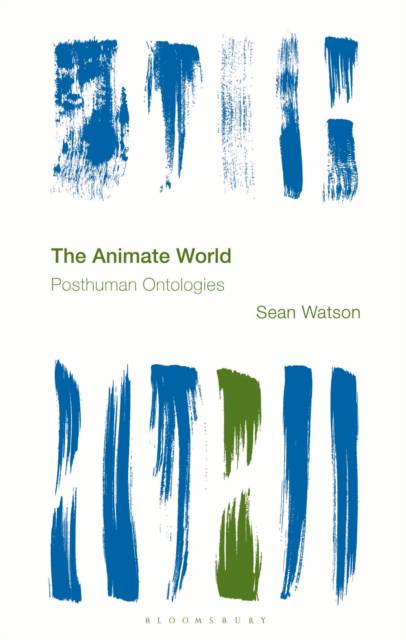
The Animate World: Posthuman Ontologies argues for the necessity of a post-humanism grounded in a vital ontology, in contrast to the nihilist ontological positions and assumptions of a range of existing post and anti-humanisms.
Still, the book affirms both the normative imperative and technological tendency that humanism is unsustainable and that technological developments are cumulatively pointing towards a surpassing of the human, conceptually and physically. Based in process philosophy, the post-human ontology is offered as an alternative philosophical grounding for post-humanism for an ethics and politics of ecological flourishing rather than exploitation of nature. Sean Watson critiques the existing nihilist ontological approaches to the post-human, which he argues are complicit with neoliberal, digital capitalism and its ideological justifications. In doing so, he conceives of an ontology of generative ethics and politics, capable of addressing the overwhelming accumulation of crises that Bernard Stiegler identified as the destruction of the future.Specificaties
Betrokkenen
- Auteur(s):
- Uitgeverij:
Inhoud
- Aantal bladzijden:
- 338
- Taal:
- Engels
- Reeks:
Eigenschappen
- Productcode (EAN):
- 9781538169773
- Verschijningsdatum:
- 22/01/2026
- Uitvoering:
- Hardcover
- Formaat:
- Genaaid
- Afmetingen:
- 152 mm x 229 mm
- Gewicht:
- 621 g


Alleen bij Standaard Boekhandel
+ 440 punten op je klantenkaart van Standaard Boekhandel
Cadeau

AANGERADEN


Beoordelingen
We publiceren alleen reviews die voldoen aan de voorwaarden voor reviews. Bekijk onze voorwaarden voor reviews.