


- Afhalen na 1 uur in een winkel met voorraad
- Gratis thuislevering in België vanaf € 30
- Ruim aanbod met 7 miljoen producten
- Afhalen na 1 uur in een winkel met voorraad
- Gratis thuislevering in België vanaf € 30
- Ruim aanbod met 7 miljoen producten





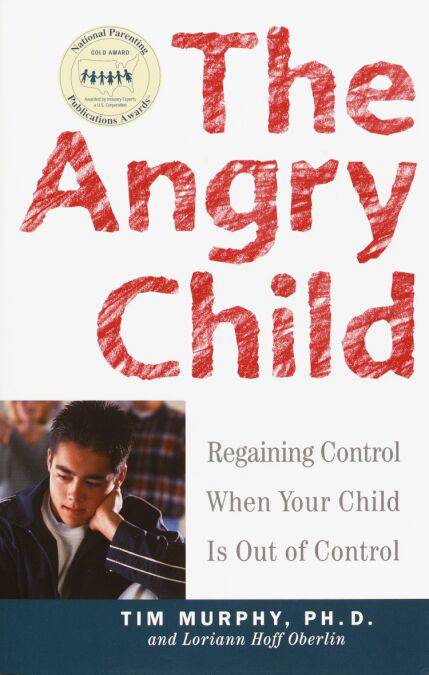
The Angry Child E-BOOK
Regaining Control When Your Child Is Out of Control
Dr. Timothy Murphy, Loriann Hoff Oberlin
E-book | Engels
€ 8,09
+ 8 punten
Uitvoering
Eenvoudig bestellen
Veilig betalen


Onmiddellijk geleverd via e-mail
Omschrijving
Every child has an off day when nothing seems to go right, but for some, angry outbursts, frustration, and resentment are the norm. When a child's anger threatens to jeopardize his school and social life and introduces an element of strain into the family dynamics that affects every member, it's time for a parent to ask: When is angry too angry?
Child psychologist Dr. Tim Murphy has addressed this very question with hundreds of families, helping them to understand both the causes and the repercussions of childhood anger and to devise effective strategies for defusing the time bomb in their midst. Whether it's a toddler staging a tantrum, a grade-schooler unable to make friends, or a sulking preteen who greets every adult request with antagonism, parents of angry children are baffled by both the depth and the root of their child's unhappiness. And when small social problems and household disputes regularly escalate into full-fledged battles, it's nearly impossible for parents to distance themselves enough from the situation to find a perspective that will remedy it.
With simple, direct techniques, Dr. Murphy shows it is possible to help an angry child understand what triggers his outbursts and develop new approaches for coping with potentially explosive situations. Identifying the ten telling characteristics of an angry child, Dr. Murphy provides examples from his clinical experience to help adults guide their children to more appropriate responses. Dr. Murphy also alerts readers to parenting styles that work best for these volatile children, explaining how a parent's own behavior can sometimes escalate a child's meltdowns. He pinpoints the moments when anger moves from a normal emotional expression to an extreme one, indicative of a larger problem. In a special chapter devoted to winning daily battles, Dr. Murphy offers advice on situations in which an angry child's temper is most likely to flare.
The Angry Child is destined to be a classic. With real solutions for the concerns of millions of parents, Dr. Murphy offers answers and hope for the families and educators of unhappy children of all ages.
Child psychologist Dr. Tim Murphy has addressed this very question with hundreds of families, helping them to understand both the causes and the repercussions of childhood anger and to devise effective strategies for defusing the time bomb in their midst. Whether it's a toddler staging a tantrum, a grade-schooler unable to make friends, or a sulking preteen who greets every adult request with antagonism, parents of angry children are baffled by both the depth and the root of their child's unhappiness. And when small social problems and household disputes regularly escalate into full-fledged battles, it's nearly impossible for parents to distance themselves enough from the situation to find a perspective that will remedy it.
With simple, direct techniques, Dr. Murphy shows it is possible to help an angry child understand what triggers his outbursts and develop new approaches for coping with potentially explosive situations. Identifying the ten telling characteristics of an angry child, Dr. Murphy provides examples from his clinical experience to help adults guide their children to more appropriate responses. Dr. Murphy also alerts readers to parenting styles that work best for these volatile children, explaining how a parent's own behavior can sometimes escalate a child's meltdowns. He pinpoints the moments when anger moves from a normal emotional expression to an extreme one, indicative of a larger problem. In a special chapter devoted to winning daily battles, Dr. Murphy offers advice on situations in which an angry child's temper is most likely to flare.
The Angry Child is destined to be a classic. With real solutions for the concerns of millions of parents, Dr. Murphy offers answers and hope for the families and educators of unhappy children of all ages.
Specificaties
Betrokkenen
- Auteur(s):
- Uitgeverij:
Inhoud
- Aantal bladzijden:
- 272
- Taal:
- Engels
Eigenschappen
- Productcode (EAN):
- 9780307432759
- Verschijningsdatum:
- 27/04/2010
- Uitvoering:
- E-book
- Beveiligd met:
- Adobe DRM
- Formaat:
- ePub


Alleen bij Standaard Boekhandel
+ 8 punten op je klantenkaart van Standaard Boekhandel
CADEAU

AANGERADEN


Beoordelingen
We publiceren alleen reviews die voldoen aan de voorwaarden voor reviews. Bekijk onze voorwaarden voor reviews.