



Bedankt voor het vertrouwen het afgelopen jaar! Om jou te bedanken bieden we GRATIS verzending (in België) aan op alles gedurende de hele maand januari.
- Afhalen na 1 uur in een winkel met voorraad
- In januari gratis thuislevering in België
- Ruim aanbod met 7 miljoen producten
Bedankt voor het vertrouwen het afgelopen jaar! Om jou te bedanken bieden we GRATIS verzending (in België) aan op alles gedurende de hele maand januari.
- Afhalen na 1 uur in een winkel met voorraad
- In januari gratis thuislevering in België
- Ruim aanbod met 7 miljoen producten





Omschrijving
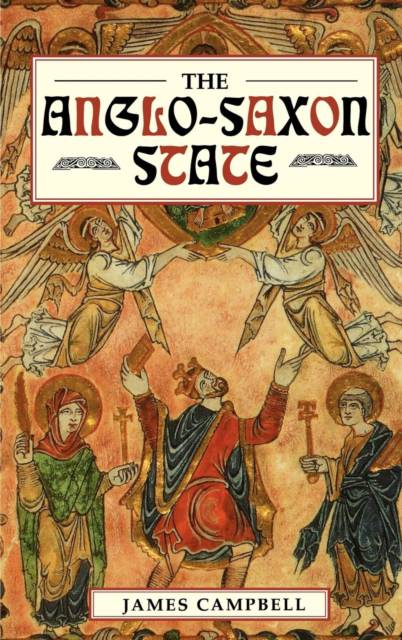
The power, sophisitcation, unity and wealth of the late Anglo-Saxon state have long been underestimated. The shadow of defeatin 1066, and an assumption that the Normans brought about strong government and a unification that had not previously been there, has prevented many of the remarkable features of Anglo-Saxon society from being seen. In The Anglo-Saxon State James Campbell shows how strong, unified and well-governed Anglo-Saxon England was and how numerous and wealthy its inhabitants were. Late Anglo-Saxon England was also a country with a political class considerably wider than just the earls and thegns. William Stubb's vision of Anglo-Saxon England as a country with real representative institutions may indeed be truer than that of his denigrators. James Campbell's work demands the re-thinking of Anglo-Saxon history.
Specificaties
Betrokkenen
- Auteur(s):
- Uitgeverij:
Inhoud
- Aantal bladzijden:
- 252
- Taal:
- Engels
Eigenschappen
- Productcode (EAN):
- 9781852851767
- Verschijningsdatum:
- 5/02/2003
- Uitvoering:
- Hardcover
- Formaat:
- Genaaid
- Afmetingen:
- 164 mm x 241 mm
- Gewicht:
- 648 g


Alleen bij Standaard Boekhandel
+ 831 punten op je klantenkaart van Standaard Boekhandel
SOLDEN


Beoordelingen
We publiceren alleen reviews die voldoen aan de voorwaarden voor reviews. Bekijk onze voorwaarden voor reviews.